White House Declares War on Captagon with New Executive Order Honoring Drug Lords
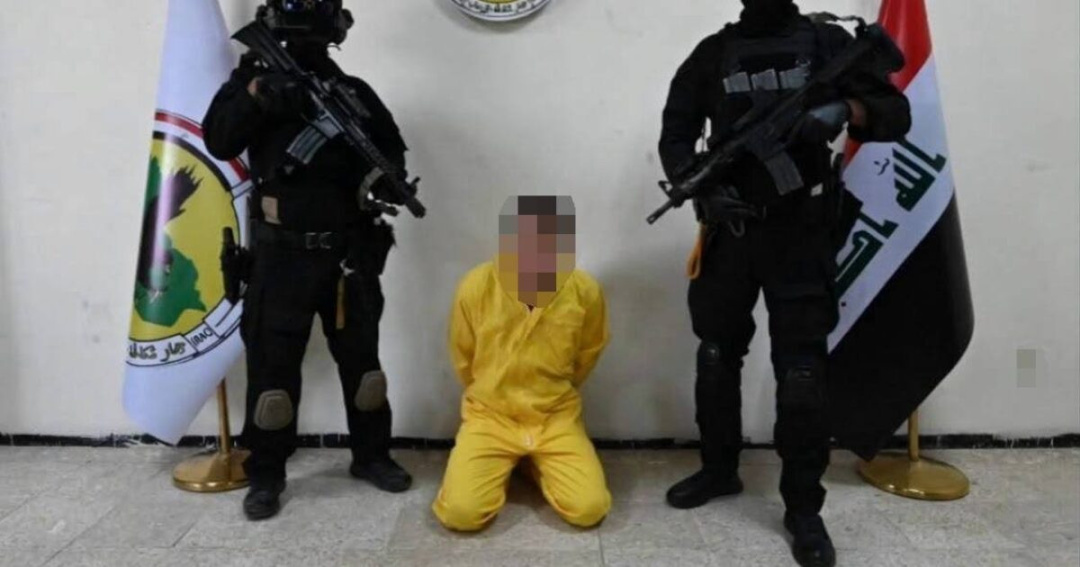
In a stunning display of executive decisiveness, the White House has announced its latest initiative to combat the scourge of Captagon, a drug that has transformed from a harmless prescription to a billion-dollar illicit enterprise, much like the administration's approach to economic recovery. The new executive order, which is rumored to include a special provision for honoring influential drug lords, promises to eradicate the drug while simultaneously boosting its production. After all, nothing says "we're serious about drug trafficking" quite like a formal acknowledgment of its most substantial beneficiaries.
The Captagon trade, long associated with Iran’s proxies and their network of enthusiastic enablers, is now poised to be a focal point of U.S. policy. It seems the administration has realized that if you can't beat them, you might as well join them, or at least give them a friendly nod. The plan aims to dismantle trafficking networks while, ironically, providing a veritable smorgasbord of opportunities for those involved in the business. By acknowledging these networks, the administration is essentially offering a VIP pass to the very individuals it claims to combat.
Still Beats Watergate:
Sponsor success. Continue reading:
As the drug flows across borders, the White House's approach appears almost philanthropic—like a charity event for drug cartels. The executive order might just be a gesture to show that the U.S. is in tune with the evolving market needs of the Middle East. After all, why should the Captagon producers have to shoulder the burden of secrecy when the administration can just throw them a bone in the form of public policy?
While Congress frets over the implications of this booming drug trade on regional stability, it seems the White House has decided that the best course of action is to introduce an elaborate framework for monitoring the progress of these illicit entrepreneurs. Because nothing screams effective governance like embracing the complexities of drug smuggling with open arms and a policy document. Secretary of State Marco Rubio is likely preparing a press release aimed at reassuring the public that drug traffickers are to be treated with the utmost seriousness—and perhaps respect.
The Irony of Policy and Drug Trade
With the inevitable expansion of Captagon production networks, the Biden administration’s plan will surely bring about a renaissance of drug trafficking in Iraq. In a twist worthy of its own season finale, this initiative is expected to create new checkpoints where profits can be skimmed off the top, all while maintaining a facade of control. It’s almost poetic: a drug trade that flourishes under the very policies designed to curtail it.
The White House's Dance with Captagon
As the executive order rolls out, the White House’s legacy will undoubtedly hinge on its ability to mount a robust response to Captagon—a dilemma that is sure to become the stuff of political legend. Future administrations may even commend the ingenuity of integrating drug trade oversight into routine governance. After all, if there’s one thing we’ve learned, it’s that in the world of drugs and diplomacy, sometimes the best offense is a good policy that invites participation by those you wish to regulate.
As we watch this dizzying performance unfold, we can only hope that the real intentions behind these policies are as transparent as they are absurd. The administration's new plan may not yield results against substance abuse, but it is poised to revolutionize the way we think about drug trafficking—creating a narrative where the government and drug lords are merely dance partners in a tragicomedy. Perhaps the real question is: who will lead, and who will follow in this elaborate waltz of policy and profit?