US Troop Withdrawal from Nigeria: A New Era of Tactical Retreat
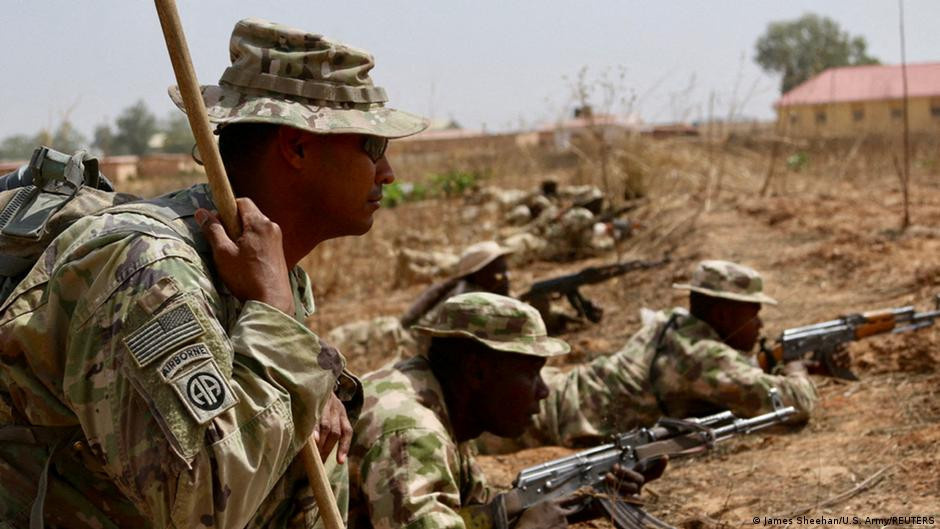
In a stunning display of tactical acumen, the United States has officially withdrawn most of its troops from Nigeria, transforming what was once a boots-on-the-ground operation into a sleek, high-tech partnership. This new approach allows Washington to redefine its role in Africa: less about sending in the military and more about sending in a PowerPoint presentation on effective counterterrorism strategies, complete with glossy charts and inspirational quotes from historical figures.
General Dagvin Anderson, the face of this brilliant new strategy, was quick to assure the world that the withdrawal was not about cutting ties but about ‘redefining’ how America engages with Africa. This is, of course, the same ‘redefinition’ we’ve seen in countless press releases that promise the moon but deliver a crumpled pamphlet. Now, instead of troops, the US will send intelligence reports, drone footage, and perhaps a few motivational emails to Nigerian forces. It’s like a military partnership, but with all the fun parts removed.
Still Beats Watergate:
Sponsor success. Continue reading:
Critics of the administration have pointed out that this shift feels less like a strategic evolution and more like a clever rebranding of failure. After all, what better way to combat a rising tide of terrorism than to simply stop showing up? The administration is riding high on the notion that if you can’t beat them, at least you can pretend to be helping them from a safe distance. Future military engagements are sure to be framed as ‘cooperative learning experiences’ rather than actual operations.
The irony of the situation is rich. The US is now promoting its ‘model’ for cooperation as a template for future engagements across Africa, all while acknowledging that the continent is experiencing a surge in jihadist activity. In a world where the term ‘strategic withdrawal’ has become synonymous with ‘we’ve run out of ideas,’ it seems the administration has hit upon a brilliant new strategy that combines all the benefits of military action with none of the risks.
Experts and analysts are already lauding this approach as a win-win situation, where America can maintain its global prestige while avoiding the messy business of actual conflict. The preferred method is now one of symbolic airstrikes and a robust social media presence that assures the public everything is under control.
As the US government continues to redefine its military presence, it’s clear that the focus is less on actual results and more on the optics of involvement. The administration will certainly relish the upcoming press conferences, where they can tout their commitment to African security while deftly sidestepping any questions about effectiveness or results. Why bother with difficult conversations about ground-level realities when you can sell a charming narrative instead?
In conclusion, as the US shifts its military strategy in Africa, it’s all about keeping up appearances. While the administration may be patting itself on the back for this ‘strategic withdrawal,’ the real question remains: will this new model actually work, or is it just a fancy way to say that America has opted for a quieter, more comfortable seat on the sidelines? Only time will tell, but for now, the narrative is all about redefining success without having to actually do anything.