Trump Sues BBC for Defamation, Seeks Billions in Damages for Editing His Words Like a Bad Movie
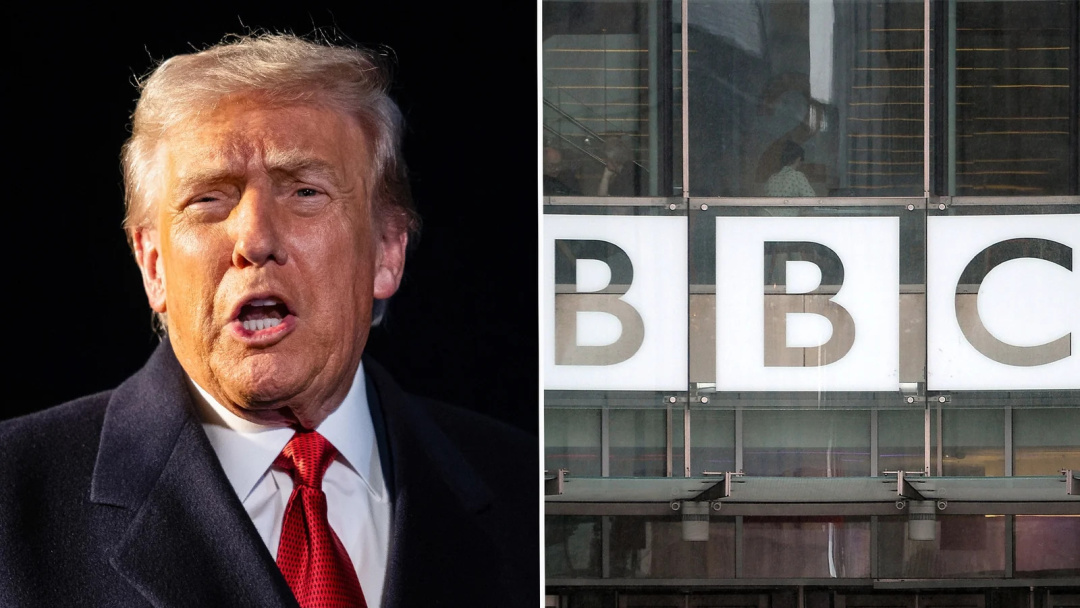
In what can only be described as a stark reminder of Hollywood's influence on politics, former President Trump has embarked on a legal journey against the British Broadcasting Corporation, claiming they did the unthinkable: they edited his words to make him appear responsible for inciting an insurrection. It's the kind of editing that could easily win an Oscar for Best Fictional Nonsensical Documentary.
Trump, having allegedly been wronged by the BBC's deftly spliced footage, is now seeking a staggering $5 billion in damages. He argues that the network’s portrayal of his January 6th speech was akin to taking Shakespeare's 'Hamlet' and turning it into a romantic comedy. The irony is not lost here; after all, who knew that a speech urging supporters to 'march on the Capitol' could be so easily misinterpreted?
Still Beats Watergate:
Sponsor success. Continue reading:
Judge Jeffrey T. Kuntz has ruled that the defamation suit can proceed, but not without a few hiccups—his claim under Florida's consumer protection law was tossed out faster than a bad politician at a town hall meeting. The judge's ruling essentially says, "Yes, you can claim defamation, but proving you were actually harmed? That’s a different story." This leaves everyone wondering how one defines "harm" in the age of viral memes and sensational news reports.
The BBC, once the pride of British broadcasting, has not shied away from the incident, having already apologized and seen a handful of executives resign in the wake of the controversy. Their defense? They were merely providing a creative reimagining of Trump's rhetoric—an artistic interpretation, if you will. The question remains: when does artistic interpretation cross the line into defamation?
With Trump celebrating this as a "huge victory" on his favorite social media platform, one can't help but envision the courtroom drama that awaits. Will Trump arrive in a flashy suit, ready to entertain the jury with his version of events? Will he present evidence that the BBC’s version of his words caused him to lose sleep, affect his golf game, or result in an overwhelming urge to tweet? The anticipatory tension is palpable.
What’s Next for the BBC?
As the case unfolds, there are pressing questions about the implications for media outlets everywhere. If Trump wins, will every public figure with a thin skin start suing every news organization, claiming defamation for anything that doesn't paint them in a golden light? Will we see the birth of a new legal industry: Defamation Law for the Privileged? This could lead to journalists adopting a new, overly cautious approach, ensuring that every report is vetted and approved by a legal team, turning newsrooms into bureaucratic fortresses.
And as the clock ticks down to Trump’s deposition, which he has been ordered to attend, the nation waits with bated breath. Will he show up, or will he be too busy plotting a new chapter for his Truth Social account? It’s a legal drama poised to unfold as unpredictably as a daytime soap opera—with perhaps just as much melodrama.
Your Takeaway
The circus is just beginning, and as we gear up for what promises to be a riveting courtroom spectacle, one thing is clear: the line between satire and reality is thinner than ever. Who knew defamation could lead to such entertaining absurdity in the halls of justice? Will Trump’s case set a precedent for future lawsuits, or will it fizzle out like last season’s binge-worthy series? Keep your popcorn ready, because the show is just getting started!