Trump's Post-Midterm Analysis: Blaming Voters for Not Voting and Bad Messaging
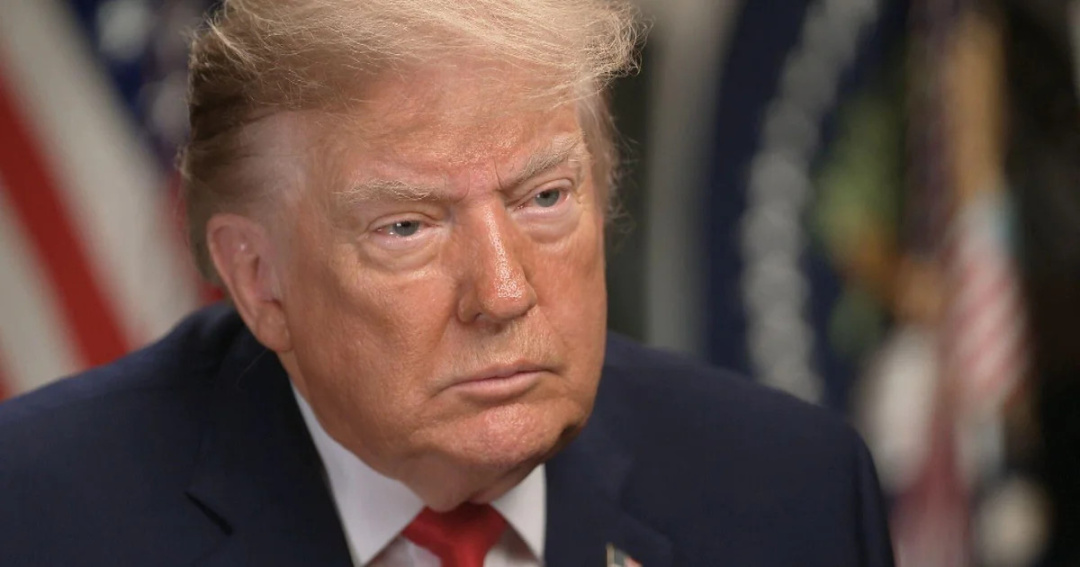
In a revelatory conversation with 60 Minutes, President Trump, fresh off a tumultuous midterm election cycle where the GOP lost more than 40 House seats, confidently attributed the party's defeat to a mix of bad messaging and, fascinatingly, the fact that he wasn’t literally on the ballot. Perhaps he’ll start suggesting that voters simply forgot to cast their votes, as if they left their ballots in the fridge next to last week’s leftovers.
While Trump expressed that the voters didn't appreciate the Iran war or the gas price hikes it caused, he conveniently glossed over the possibility that they might have also reacted to his endorsement of candidates who lost in races they should have won. Instead, he doubled down on the belief that his pre-election events were so electrifying, they might have teleported people closer to the polls—if only they had remembered to actually hit “submit.”
Still Beats Watergate:
Sponsor success. Continue reading:
As he mused about economic issues, Trump found a novel way to say that his messaging was “bad.” This might be akin to saying that a Titanic cruise was poorly planned after the iceberg incident. After all, with a jobs report that seemed to shine brightly against the backdrop of a world on fire, it was the messaging that kept people from recognizing the “phenomenal” economy. This is where Trump’s logic sparkles, suggesting that if he talks about economic success long enough, surely everyone will just forget about their empty wallets.
With immigration policies earning him mixed reviews—an A+ for strict deportations and a resounding F for mass discontent among Latino voters—he managed to elegantly wade through a pool of contradictions. "I think I got an A+ for closing up the border," he said, while also acknowledging that it might have pushed voters back into the Democratic camp. The delicate balance of being tough on immigration while still appearing compassionate could be a new White House policy: “Be mean, but just a bit less mean.”
The very same day, he announced the replacement of his chief of staff with Stephen Miller, a move that seems to signal a shift toward more stringent enforcement policies—because when you’re down, clearly doubling down on the same strategy is the way to go.
Trump's Optimism Amidst Political Turmoil
In the midst of these admissions, Trump’s predictions of a bright economic future just around the corner sound almost like a weather forecast for a tornado, with a side of sunny skies. He assured the American people that a manufacturing job resurgence is imminent, much like a unicorn sighting. It’s easy to promise jobs when you’re not the one waiting at the factory gates.
But let’s not overlook the cherry on top: Trump’s career in public office has reached a point where he can now joke about issuing pardons like candy on Halloween. His cavalier attitude toward the legal repercussions of his administration’s actions could be the real legacy he’s building—one of a political wild west.
With the 2028 election looming, one can only wonder if Trump will remain in the spotlight or if this latest round of interviews will leave him looking like a relic of a bygone era. Regardless, it’s clear that in the world of political theater, the show must go on, even if the audience is left scratching their heads in confusion.
The Real Stakes of Political Theater
Trump's insistence on claiming that historians will judge him favorably—much like the rise of Ulysses S. Grant's reputation—is a bold move. It seems our former president has adopted a strategy of long-term optimism; perhaps he believes that if he says it enough times, it will become true. All the while, he continues to draw convoluted connections between his actions and their historical significance, as if he were not just a man but a figure destined for the annals of history—on par with true legends.
Ultimately, Trump's interview serves as both a self-congratulatory reflection and an exercise in deflection. Whether voters will buy into the notion that they simply failed to understand the brilliance of his policies is yet to be seen, but one thing is for sure: the absurdity of political narratives will continue to unfold, leaving the public wondering just how we got here. He may be aiming for redemption, but at this point, the only thing he's likely to redeem is a continued spot in the political circus that is American governance.