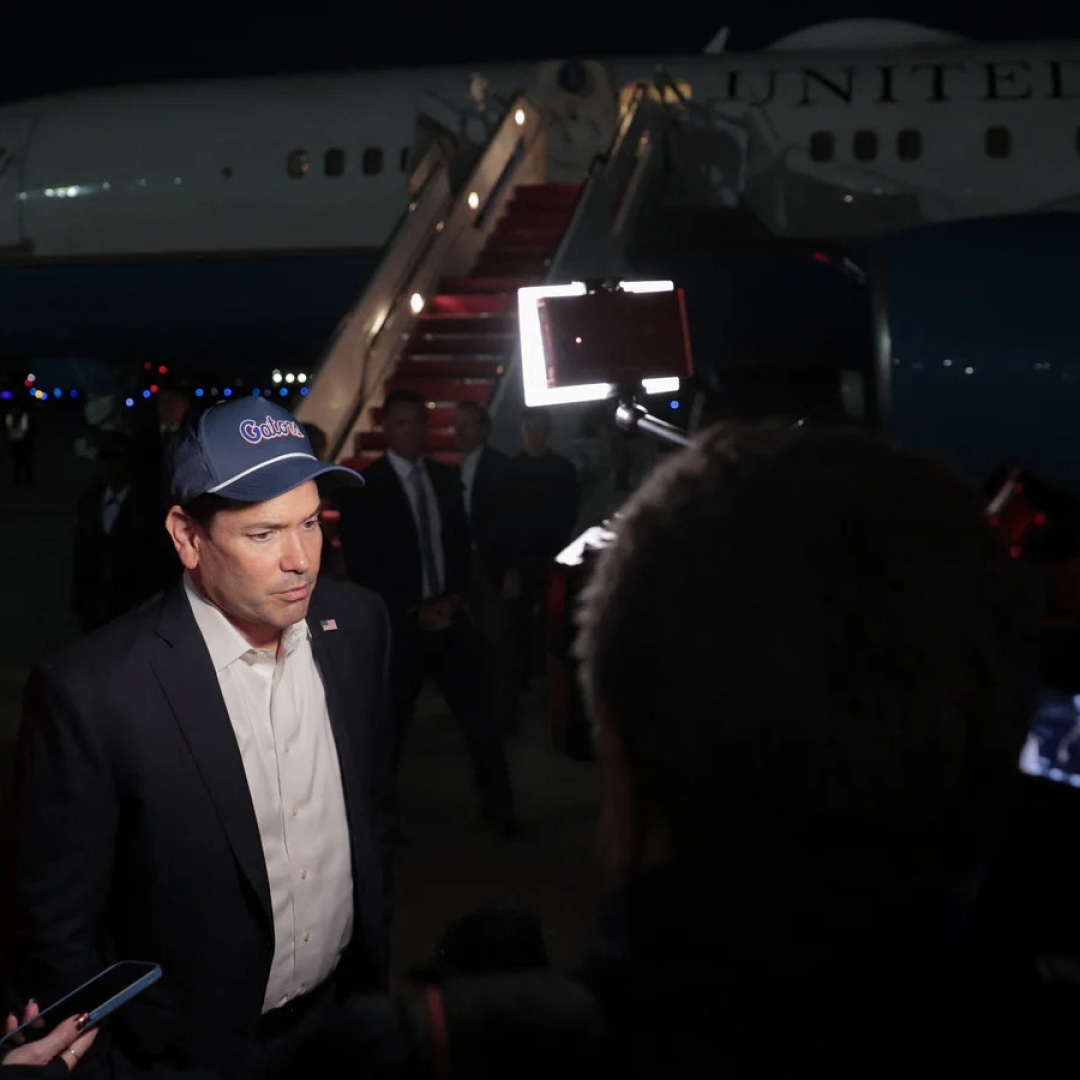
US Diplomacy Enters Final Phase of Negotiating the Art of Not Making a Deal
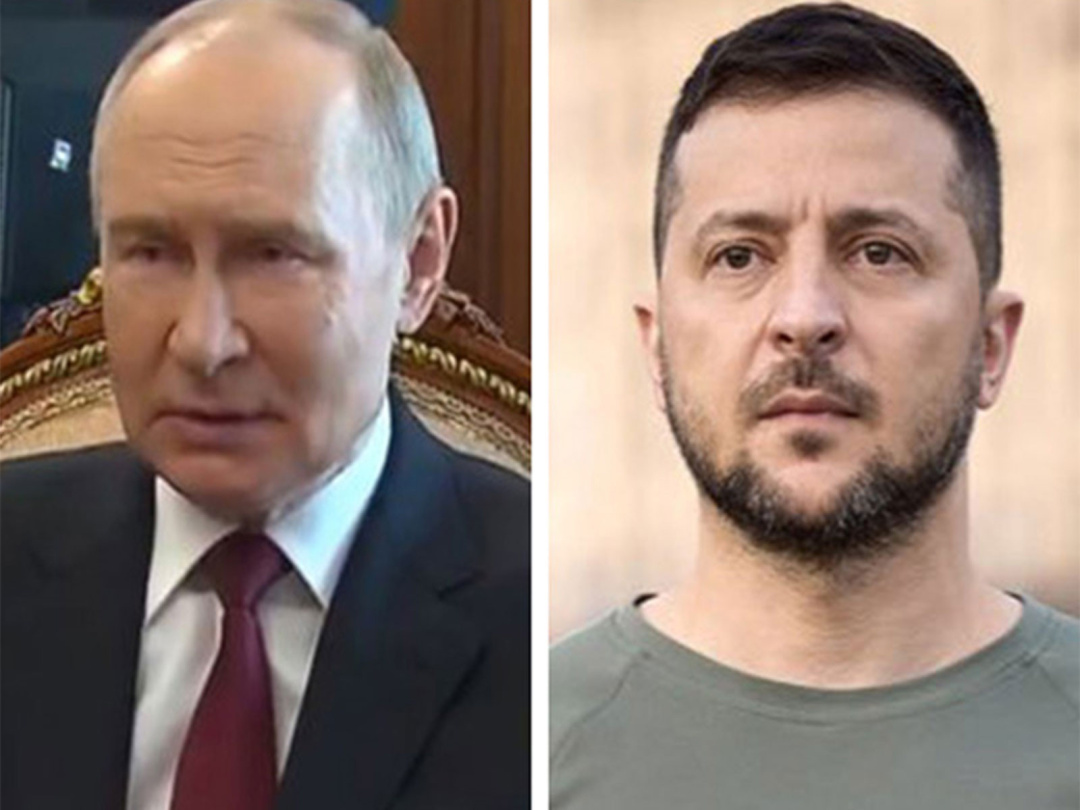
In a stunning display of diplomatic endurance, U.S. officials have claimed they see a "real chance" for progress in the ongoing Ukraine conflict. This optimism will be tested in Abu Dhabi, where delegations from Russia, Ukraine, and the U.S. will gather to discuss what they’ve coyly deemed the "final end" to a war that, oddly enough, seems to have no end in sight. With the heavy lifting resting on the shoulders of diplomats, the U.S. is ready to engage in a series of negotiations that will surely lead to a definitive non-resolution.
In Monday's press briefing, officials stressed the importance of establishing a regular negotiating rhythm, noting that communications between Moscow and Kyiv have skyrocketed since U.S. envoys made their rounds in September. The goal, they admitted, is to engage in daily talks that will undoubtedly lead to a renewed sense of mutual distrust rather than any tangible agreements. Apparently, they hope that simply talking a lot about a ceasefire will somehow result in one, even if neither side seems to be ready to put down their weapons.
Still Beats Watergate:
Sponsor success. Continue reading:
The diplomats, while cautiously optimistic, laid out the agenda for the meetings, which will be divided into two main sessions. The first will tackle the ever-elusive ceasefire monitoring, which they admitted is more like a game of hide-and-seek, with both sides unwilling to trust the other not to turn the pause in fighting into an arms shopping spree. The second session will focus on territory disputes, where the real fun begins. Each side has its own claims and demands, and if history is any guide, we can expect that this will be about as productive as a cat chasing its tail.
Despite the heavy lifting required, the U.S. has floated the idea of easing sanctions on Russia, under the condition that Moscow doesn’t immediately laugh the proposal away. This diplomatic dance is going to be monitored closely by India, which has become an unwitting participant in this mess, caught between buying Russian oil and appeasing Western sanctions. The situation is so complicated that one could almost believe it was scripted by a political sitcom writer looking for the next big laugh.
As for President Donald Trump? His involvement remains a wild card, with officials hinting that he might weigh in on whether to offer security guarantees to Ukraine—provided he can do so without making Europe foot the bill. The U.S. seems to be banking on the idea that if everyone just pretends to be on board, the conflict might magically resolve itself. In the meantime, they will continue to hold talks, free of any real intention to arrive at a conclusion.
In a twist that should come as no surprise, Zelenskyy has appealed to India for assistance, stating that Prime Minister Modi has been vocal about the need to end hostilities. Whether India will actually step in to mediate remains to be seen, but statements of support are flowing like cheap wine at a political fundraiser. After all, what’s a little international goodwill worth without some serious backroom deals?
As we watch this delicate dance unfold, one can only hope that the negotiators at least have a sense of humor about their predicament. After all, nothing says "final end" like a series of talks in a city where nothing is ever finalized.
The Unending Quest for Consensus
Negotiators will likely march into the rooms in Abu Dhabi with a plan for peace that might as well be written on a napkin. Never mind the lofty ideals of cooperation or mutual understanding; the real question remains whether any of the parties involved can agree on what day of the week it is, let alone who gets to keep the Donetsk region. At this point, both sides may find themselves spending more time agreeing on the flavor of coffee in the meeting room than on the issues at hand.
The task of drafting a ceasefire monitoring agreement is akin to herding cats; every proposed clause will be met with skepticism, and the moment anyone feels a flicker of hope, someone will surely sabotage it by throwing in the word "territorial integrity" just to watch the chaos unfold. Should both sides somehow find a way to agree, it would be a miracle—a miracle that would probably end in a new round of negotiations to discuss why the first agreement was a terrible idea.
Your takeaway
In the world of international diplomacy, where patience is a virtue and clarity is a rarity, one thing is certain: negotiations can be a spectacular form of entertainment. While the U.S. officials are busy reading the room, both sides are likely to continue their dance of distrust while the world watches, popcorn in hand, waiting for the next absurd twist in this geopolitical drama.