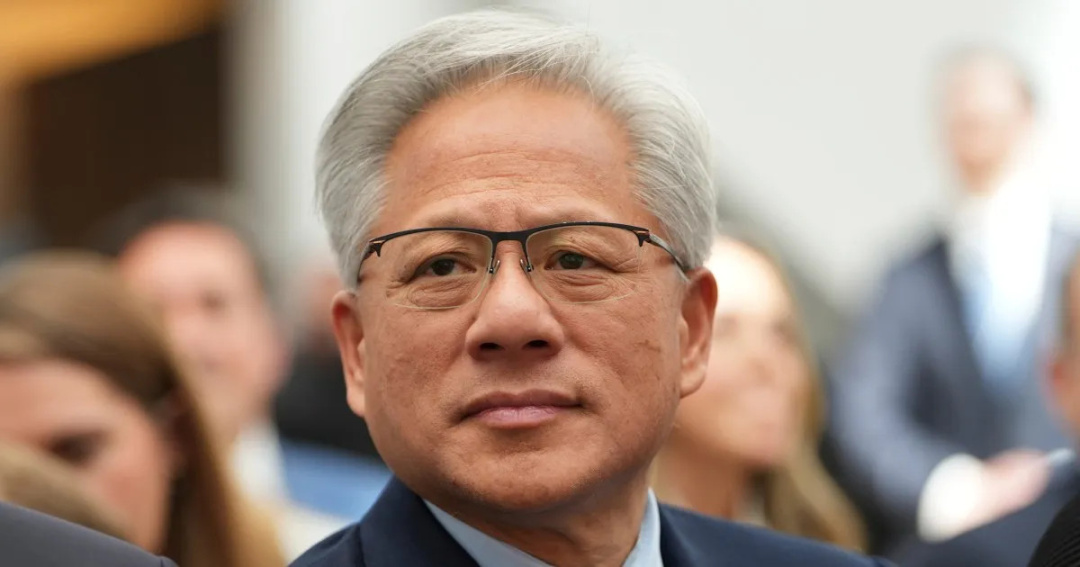
Nvidia Shareholders Demand Transparency on CEO's Spy Connections—No Answers Expected
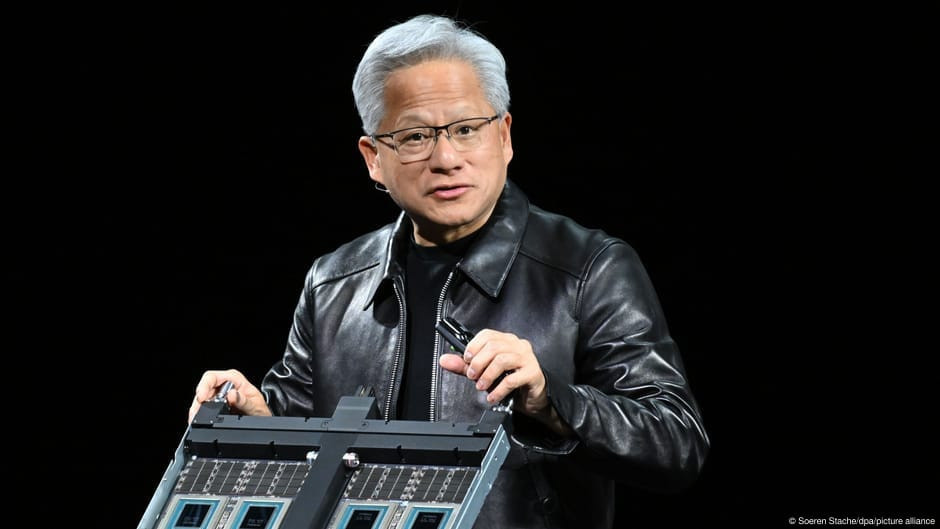
In a move that has all the elements of a corporate thriller, Nvidia shareholders have slapped their CEO, Jensen Huang, with a lawsuit, accusing him of keeping mum about his alleged ties to a suspected Chinese spy. Yes, folks, it seems that while Huang was busy leading Nvidia’s transformation from gaming chip maker to the darling of AI technology, he might have also been engaging in a little espionage-themed roleplay on the side.
The shareholders, who clearly felt left out of the loop when it comes to corporate espionage, have launched this class action suit in federal court, claiming that Huang’s alleged relationship with Alice Huang (no relation, but surely a plot twist waiting to happen) was concealed. Apparently, the duo’s informal coffee chats raised some eyebrows, particularly after reports surfaced that Alice is suspected of being involved with Chinese intelligence. Who knew casual discussions about chip technology could have such high stakes?
Still Beats Watergate:
Sponsor success. Continue reading:
As investigations loom, the shareholders are arguing that not only did Huang mislead investors, but he also compromised Nvidia’s reputation—because nothing says “invest in us” quite like a potential spy connection! They are seeking unspecified damages, which, let’s be honest, will probably go towards the therapy required after this corporate soap opera.
In a plot twist worthy of any good spy novel, Huang has publicly acknowledged his infidelity, but only in the form of a vague apology that leaves everyone guessing. “I support the investigation and will cooperate fully,” he insists, as he tries to navigate the murky waters of corporate responsibility—and personal accountability. Because why wouldn’t a CEO mix business with a touch of personal scandal?
Meanwhile, former President Donald Trump has voiced support for Huang, stating that he had a chat with him earlier in the day, assuring the world that Huang was utterly clueless about the espionage whispers. If only the rest of us could be so blissfully ignorant in the face of serious allegations.
Amidst all of this, Nvidia's stock took a hit, closing down 4.3% on the day the lawsuit was filed—just five minutes after US markets closed, naturally. Because what better way to dodge accountability than to let the markets settle first?
The Far-reaching Implications of Espionage Claims
As the saga unfolds, one can’t help but wonder how this will all play out in the grander scheme of US-China tech rivalries. With Huang advocating for less stringent export restrictions to China, one has to question how this alleged espionage connection will affect those negotiations. After all, navigating a tech competition while juggling allegations of spy relationships is quite the balancing act, even by Silicon Valley standards.
And as China denies any involvement in targeting Huang, claiming that the allegations are mere smears, the stage is set for a classic showdown between corporate interests and national security concerns. Let’s hope this all ends better than a few bad spy movies, where the villain always gets away—because nobody wants a sequel to this drama.
The Waiting Game Continues
For now, shareholders and the public will have to wait and see how this legal battle unfolds. Will we get answers about what really went on behind closed doors at Nvidia? Or will this just be another chapter in the ongoing story of corporate America, where the truth is always just out of reach? One thing is for sure: in the world of high-stakes technology, the only clear thing seems to be that the only transparency expected is in the shareholder lawsuit itself, not from the executives running the show. And thus, the saga continues without a clear resolution in sight.