AI Chipmakers Cry Foul as Oil Prices Soar in Latest U.S.-Iran Drama
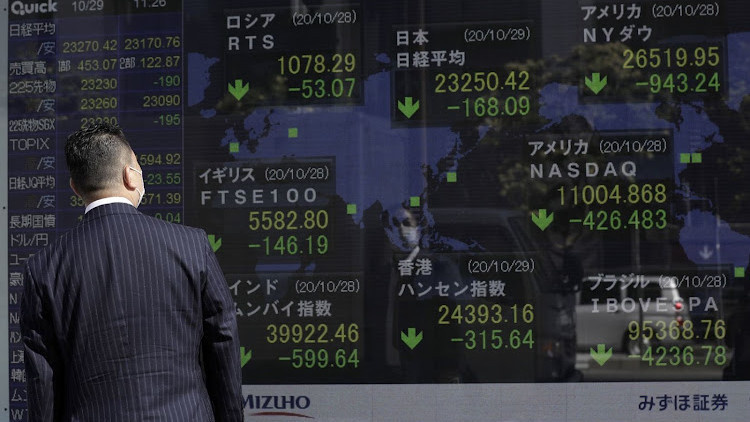
In an unexpected plot twist that would make even the best Hollywood screenwriters green with envy, the global stock market has taken a nosedive, with AI chipmakers leading the charge into the depths of despair. Once riding high on the wave of AI-driven optimism, these tech titans now find themselves entrenched in a battle against forces far beyond their control: geopolitical tensions and rising oil prices. Who knew that the fate of silicon chips could hinge on the whims of international diplomacy?
The U.S. and Iran, in a classic game of diplomatic chicken, have managed to create a perfect storm, sending oil prices soaring as investors wonder whether tomorrow's headlines will read about a ceasefire or a new conflict. In the midst of this chaos, one has to wonder if chipmakers ever thought they’d be on the losing end of a standoff not just with their competitors but also with the Middle East. After all, it’s hard to maintain a supply chain when the supply chain is suddenly a front-line war zone.
Still Beats Watergate:
Sponsor success. Continue reading:
As the Kospi index crumbled like a poorly built IKEA bookshelf, investors scrambled to recalibrate their portfolios. The once lucrative AI market now feels eerily reminiscent of a high-stakes poker game where the chips are not just financial but also tied to the whims of foreign policy. The irony is palpable: AI was supposed to usher in a new era of stability, but it turns out it can’t predict the actions of world leaders who seem to enjoy playing with fire.
Meanwhile, in a bizarre twist that only a true bureaucratic nightmare could conjure, government officials are now circulating memos on how to explain the stock market’s downward spiral without causing mass panic. The guidance? Blame it on ‘market corrections’ and ‘natural fluctuations’ while reminding investors that the true value of their stocks is ‘subject to change based on global events.’ Who wouldn’t feel comforted by such clarity?
As chipmakers huddle in their boardrooms, furiously recalculating their strategies, one must question whether they should pivot to oil drilling or perhaps take up a new career in diplomacy. If only their algorithms could offer a solution to the mess that is international relations. The future of AI may very well rest on their ability to not only innovate but also to navigate a world where oil prices and military standoffs dictate the fate of technological advancement.
So, as we watch the stock market react to every tweet and press conference, let’s raise a glass to the chipmakers and their newfound friends in the oil industry. After all, in the great game of economic survival, it’s always best to keep your enemies close and your oil reserves closer. Who would’ve thought that the fate of AI technology could be so intricately linked to a geopolitical chess match? Welcome to the new normal, where every market fluctuation is just another reminder that in the world of politics and business, anything can happen.