Trump's Immigration Enforcement: Tough Love or Just Tough?
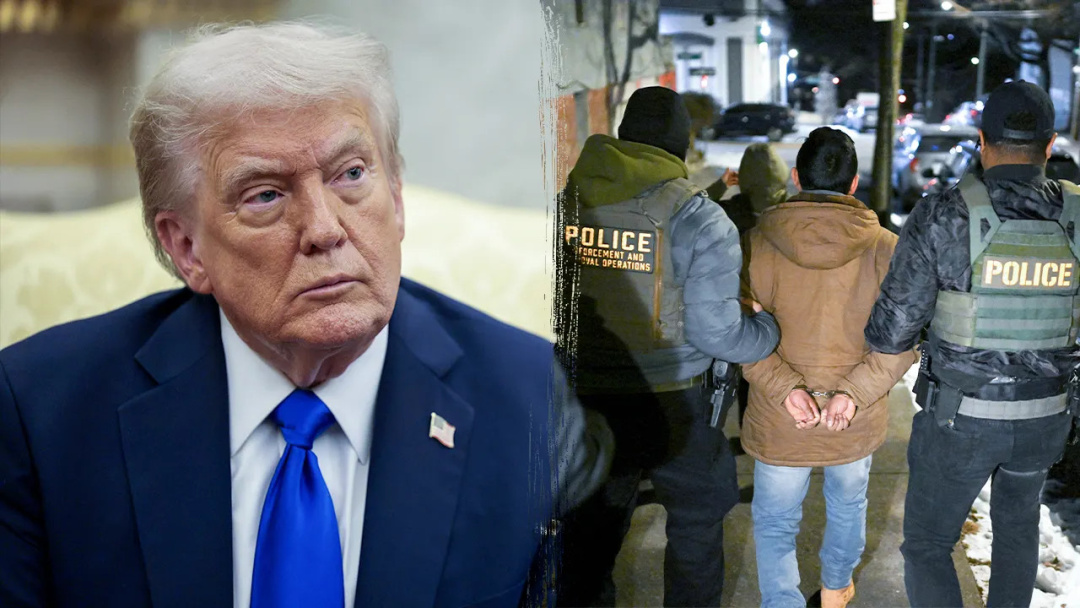
In what can only be described as a moment of rare introspection, Donald Trump recently admitted that his administration’s immigration policies may have been a bit too ‘tough.’ This revelation came during his first sit-down interview since the midterm elections, where he found himself reflecting on the several ways he may have alienated, well, just about everyone.
During the interview, Trump told CBS's Ross Douthat, "I think it both helped and hurt.” This is a diplomatic way of acknowledging that while he might have won over some hardcore supporters with his hardline approach, many others were left wondering if deportation was really the best way to win friends and influence voters. This implies a nuanced understanding of Republican politics: it’s all about balancing the emotional appeal of a strong border with the undeniable fact that some of those ‘bad hombres’ actually mow lawns and flip burgers.
Still Beats Watergate:
Sponsor success. Continue reading:
But don't let this newfound awareness fool you. Trump’s acknowledgment that some illegal immigrants are indeed ‘good people’ suggests he is still committed to the principle of inflexible enforcement, provided those being enforced against don’t end up doing anything too ‘good’—like working in landscaping or paying taxes. Instead, it seems he would prefer to compartmentalize good and bad immigrants like seasonal decorations. As long as they don’t touch his golf course, they should be fine.
So, we arrive at a point where Trump possibly considers making a deal with the incoming Democratic Congress, an idea that would have been scoffed at not long ago. In what can only be described as a diplomatic maneuver fit for a Las Vegas stage, Trump hinted at the possibility of bipartisan cooperation, as if the political landscape wasn’t already a circus long past its opening act. His theatrical suggestion that many Democrats would be willing to work with him on immigration reform seems reminiscent of a magician pulling a rabbit out of a hat—a delightful surprise, provided you don’t look too closely at how the trick is done.
The Wall as a Symbol of Division
In the midst of this chaotic political dance, one thing is clear: the border wall wasn't just a physical structure; it became a metaphorical barrier between Trump and sensible immigration policy. As Trump continues to navigate this minefield of public perception, perhaps he will swap out his hardline rhetoric for something a bit softer, like a plush pillow labeled 'Compromise.' After all, it’s hard to negotiate when you're busy laying down the law, and it seems even the ex-president is beginning to grasp the intricacies of political theater.
As the curtain falls on this act of executive drama, the question remains: will the prospect of a more lenient immigration policy be the plot twist that saves the day, or simply an off-stage whisper drowned out by a chorus of critics? Either way, Trump's journey from tough enforcer to conciliatory negotiator is a narrative ripe for comedic exploration.
Applied to You
In a landscape where every word is weighed, Trump’s admission is almost reminiscent of a reluctant hero admitting to their flaws. The irony here is that the very policies he championed are now being reconsidered, not for their effectiveness, but for their political viability. Who would have thought the man who once declared, 'we're going to build a wall!' would now be contemplating a gentler approach with Democrats? The vision of Trump nestled comfortably in bipartisanship is as surreal as a unicorn sighting in the White House Rose Garden.
As the immigration debate heats up, it appears that even Trump recognizes that the path to political redemption might just involve welcoming a few more voices to the conversation—preferably those without a deportation order in hand. The irony of this shift is rich, but whether it leads to meaningful change or just another round of political theater remains to be seen.