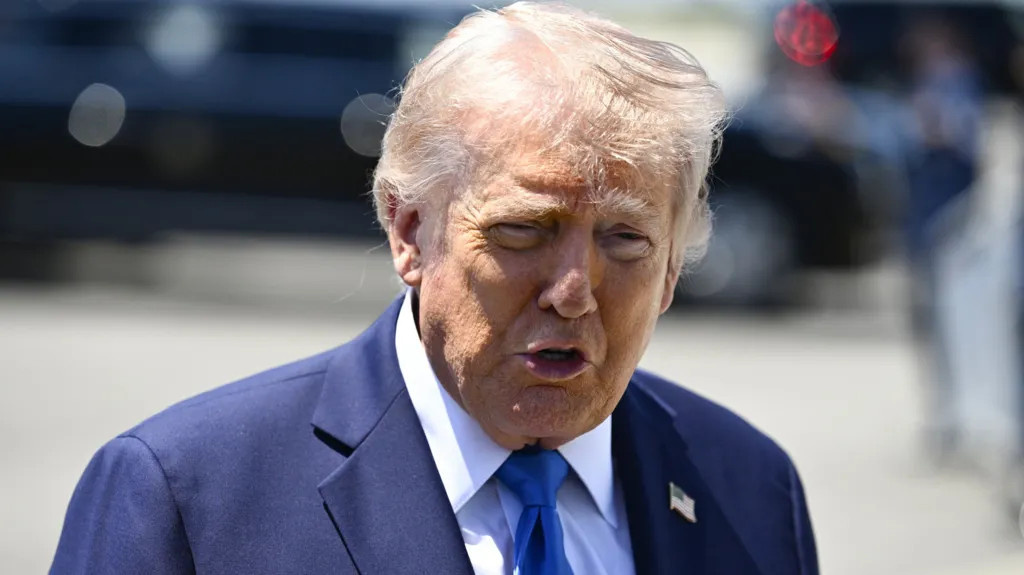
White House Announces New Toll Road in the Strait of Hormuz
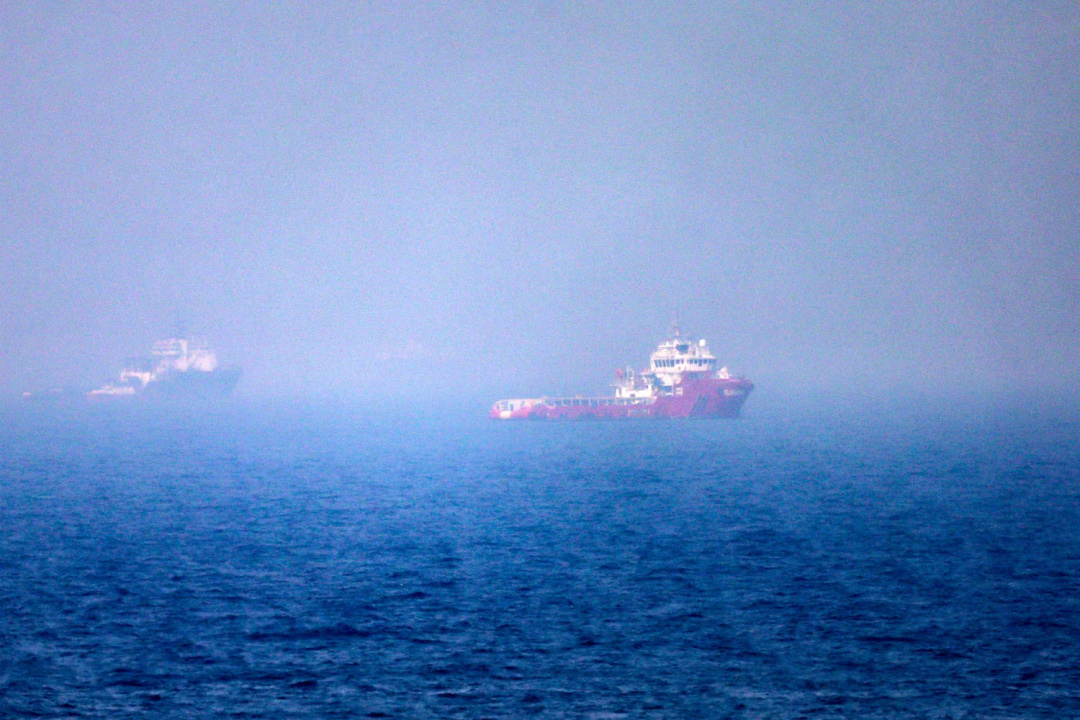
In a stunning display of nautical capitalism, the White House has announced that it will begin charging all commercial vessels traversing the Strait of Hormuz. This bold initiative, which some are calling a maritime toll road, is expected to generate significant revenue while putting a unique twist on international shipping norms. Critics are left pondering whether this is a clever policy maneuver or merely an elaborate scheme to fund the next round of golf trips.
The administration's new monetization strategy is officially dubbed the "Strait of Hormuz Revenue Enhancement Act," or SHREA for short. In what may be a first for international waters, each ship will be required to pay a toll based on its size and cargo. The tolls will be collected via an app that features a built-in selfie function, ensuring that captains can document their moment of compliance for social media. After all, nothing says "patriotism" like a picture of a cargo ship proudly paying its fees to the U.S. government.
Still Beats Watergate:
Sponsor success. Continue reading:
White House officials have assured the public that this unprecedented act is purely about national security and economic stability. In their defense, they point to the precedent set by Iran, which has long utilized similar strategies to exert control over the strategic waterway. "If it works for them, why not us?" an unnamed senior advisor was overheard saying, while casually inspecting a map of the region dotted with dollar signs.
The press briefing that followed the announcement was nothing short of theatrical, complete with flags, a marching band, and the obligatory shining endorsement from the president, who touted the initiative as a game-changer for U.S. maritime dominance. "We’re not just collecting tolls; we’re collecting respect!" he declared, beaming with pride as he metaphorically tossed the gauntlet at Iran’s feet.
As expected, the announcement has drawn a mix of laughter and outrage from political commentators and maritime experts alike. Many are scratching their heads over how this will affect international trade, with some speculating that shipping companies may soon be looking for alternative routes, such as a scenic detour around Cape Horn. Meanwhile, environmentalists are concerned about the potential ecological impact of increased traffic from ships trying to avoid the tolls.
In a show of solidarity, various shipping companies have already begun forming alliances, promising to share tips on how to navigate the new toll landscape. Rumors are swirling about the development of an underground network dubbed "The Sinking Fund," where ships can exchange toll evasion strategies in exchange for a modest fee. Only time will tell whether this initiative will sink or swim, but for now, the administration is riding high on the waves of innovation.
As the world watches this maritime spectacle unfold, one thing is clear: the White House is committed to rewriting the rules of engagement on the high seas, one toll at a time. Sail on, dear ships, sail on!