Houston Mayor Takes a Stand Against ICE, Declares War on Nonviolent Offenses
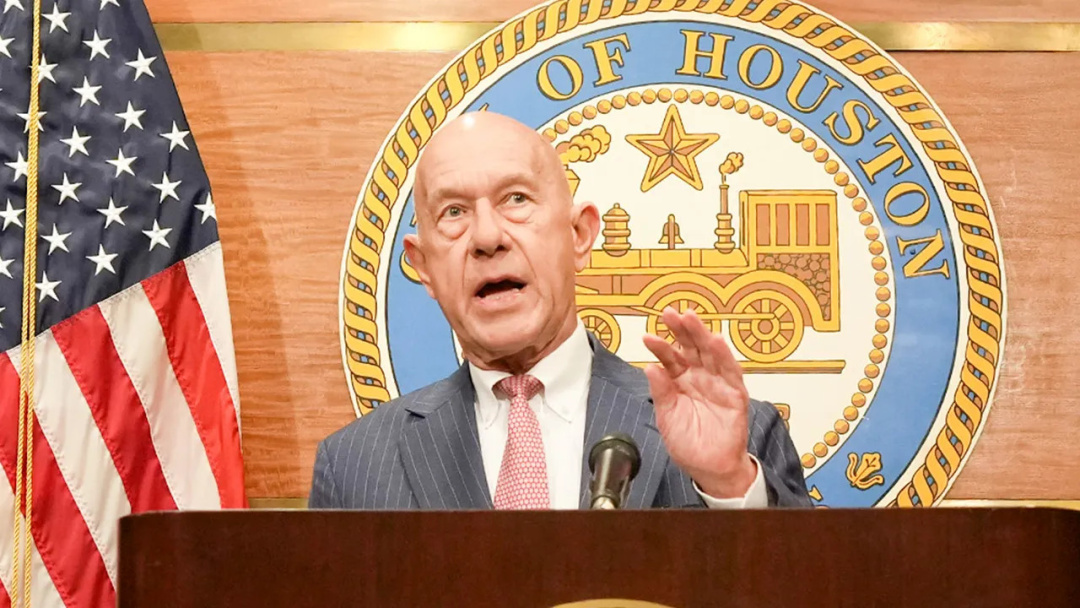
In a recent, head-scratching turn of events, Houston's Mayor John Whitmire has issued a decree that might as well be a neon sign reading, "We Don’t Call ICE for Traffic Tickets!" This new policy restricts local police from notifying Immigration and Customs Enforcement during nonviolent encounters. After all, nothing says community safety like leaving an entire population in a state of blissful ignorance about the ever-watchful eyes of ICE during routine traffic stops.
Following Texas Governor Greg Abbott's failed attempts to maintain control over immigration enforcement, Whitmire's decision highlights a remarkable feat of political gymnastics. His administration, like a high-wire act in a circus, is balancing the demands of federal immigration policy while apparently declaring, "Who needs ICE when we have traffic cones and good intentions?" It’s comforting to think that our laws are being enforced by someone who opens every meeting with a heartfelt, "Let’s just all get along!"
Still Beats Watergate:
Sponsor success. Continue reading:
In what can only be seen as a stroke of genius, Whitmire has opted to bar police from alerting ICE about undocumented immigrants during nonviolent encounters. His justification? The anxiety caused among Houstonians—because nothing cures fear of deportation like a friendly traffic stop. Mayor Whitmire has clearly taken a page from the 'Make Peace, Not Enforcements' handbook.
The mayor's new policy signifies a firm stance against Abbott’s executive order, which threatened to yank millions in state funding for noncompliance. In response, Whitmire's office has assured the public that cooperation with ICE will only occur when someone is actually arrested for a crime. Because, of course, a traffic violation isn’t serious enough to warrant a call to federal authorities while a murder suspect might be worth a quick chat with ICE.
Federal Discontent with Local Policies
A DHS spokesperson was quick to express disappointment at Whitmire's sanctuary approach, lamenting how local law enforcement’s hands are tied when it comes to finding “criminal illegal aliens.” In the spirit of collaboration, maybe they should just send an officer to every nonviolent traffic stop and take down names for a nice little database, just in case the mayor decides to have a change of heart.
As the blue wave rolls in, Whitmire's administration is clearly carving a new path in local governance, one that prides itself on the art of ducking federal mandates while promoting the idea that ignorance is bliss. So, let’s cheer for Houston’s bold new policy: where even the most benign of traffic stops can remain a little slice of unregulated freedom.
What This Means for Local Law Enforcement
Now, the question remains: how will Houston’s police department adapt to this new approach? With the added responsibility of deciding which offenses merit a call to ICE, officers might have to undergo extensive training in the fine art of situational judgment. After all, who knew that issuing a ticket could come with such weighty implications?
Whitmore’s actions signal a shift that could potentially redefine the relationship between local law enforcement and federal immigration agencies. With officers now navigating this new terrain, perhaps we should recommend a workshop on how to handle minor offenses without involving federal authorities. It’s a transformative moment for Houston—one that might just make the city a beacon of progressive local governance amid the chaos of a state still grappling with its political identity.