White House Announces New Initiative for Graham's Legacy: The Graham Correction Program
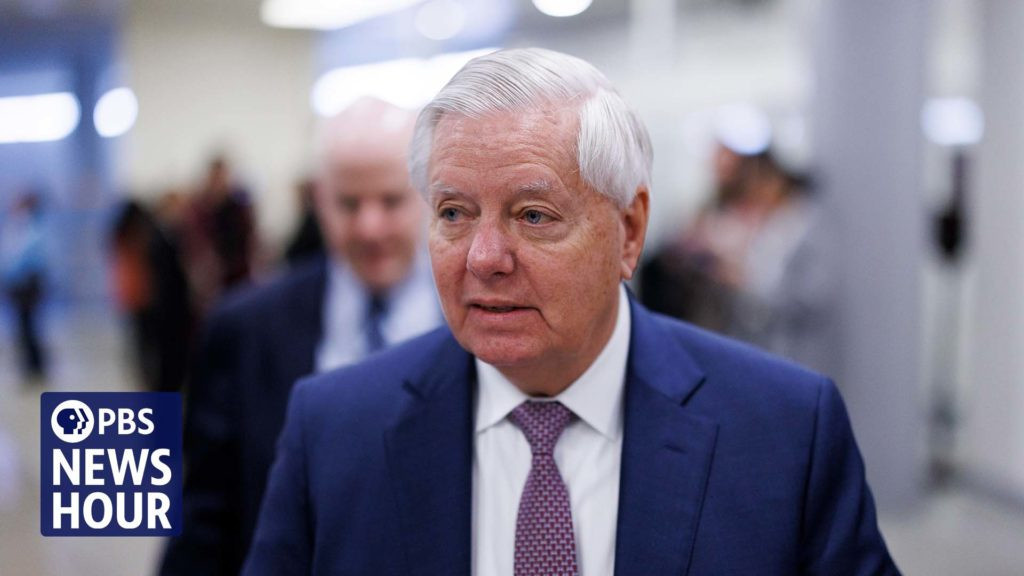
In an unprecedented response to the recent passing of South Carolina Senator Lindsey Graham, the White House has announced the Graham Correction Program, a new initiative that aims to retroactively amend the senator’s political legacy. The program will focus on clarifying his many positions over the years, which have often shifted more than a compass in a tornado. This initiative comes at a time when the nation is grappling with the complexities of a career that spanned over three decades, during which Graham became known for his prominent voice on foreign policy, often echoing the sentiments of whatever administration he found himself supporting at the moment.
The program will be implemented via a series of executive actions designed to revisit Graham's past statements, tweets, and press conferences, all of which will be reinterpreted through the lens of current political correctness and situational ethics. According to the White House, this approach aims to ensure that Graham's legacy is viewed in a more favorable light, effectively rewriting history to better align with contemporary values. Critics of the initiative have dubbed it the "Graham Adjustment," suggesting that the administration is attempting to create a sanitized version of his tenure.
Still Beats Watergate:
Sponsor success. Continue reading:
To facilitate this monumental task, the White House has established a new office within the National Archives known as the Graham Legacy Bureau. This bureau will employ a cadre of historians, political analysts, and, naturally, a few social media influencers to oversee the reclamation of Graham’s statements. Their primary goal will be to sift through years of sound bites and policy proposals in search of context that could render the senator’s fluctuating principles a bit more palatable.
Amidst the announcement, White House Press Secretary was heard delivering an impassioned briefing, stating that Graham's influence on American politics was akin to that of a weather vane—always pointing in the direction of power, but rarely standing still. She emphasized the importance of recognizing the senator's contributions while simultaneously allowing for a complete overhaul of his more contentious views. In a nod to Graham's infamous flip-flops, she assured reporters that the program would include a comprehensive glossary of Graham's various stances on issues ranging from immigration to healthcare, labeled under "Graham's Greatest Hits."
Moreover, the initiative will include a "Graham Reconciliation Day," where citizens can submit their grievances regarding Graham's policies for consideration in the legislative rewrite. The day is expected to feature performances by Graham impersonators and a variety of interpretive dance pieces representing the senator's ideological journey.
As the nation prepares to grapple with the implications of this program, one thing is clear: the Graham Correction Program is not just about honoring a legacy; it’s about crafting a narrative that fits the current political climate, proving once again that in the world of politics, nothing is ever truly set in stone—except perhaps for the monuments to those who have passed.
In the meantime, the White House has encouraged Americans to reflect positively on Graham's contributions while simultaneously preparing them for a new wave of political recalibration. After all, if history can be rewritten at the stroke of a pen, then surely a legacy can be too—especially one as colorful and ever-changing as Lindsey Graham's.