Cornell Faculty's No Confidence Vote: A Bold Stand Against Leadership's Mastery of Inaction
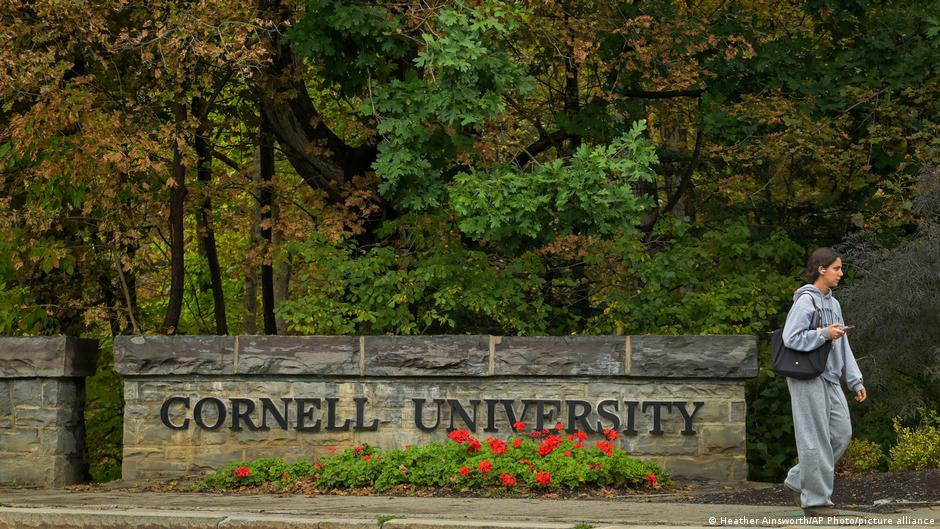
In a daring act of defiance, the Cornell University Faculty Senate recently passed a resolution declaring their collective no confidence in the administration, led by President Michael Kotlikoff, for their stellar performance in the art of inaction regarding a sexual assault crisis. The vote, with a resounding 75-50, demonstrated that when it comes to addressing allegations of drugging and rape, the university can be remarkably agile—at least in drafting resolutions.
This bold statement comes in the wake of a lawsuit filed by a former student, known only as Jane Doe, against the university and several fraternity members, alleging a truly shocking set of events that included the classic fraternity tradition of not understanding the word "consent." The lawsuit has spurred a series of discussions among faculty, culminating in this historic vote that clearly signals their support for effective change—if only they could find a way to manufacture it.
Cornell's leadership has faced criticism not for lack of effort, but for their commendable ability to avoid decisive action. After learning of the allegations, the university closed the offending fraternity chapter and disciplined some involved students, though no criminal charges were filed. This admirable approach is reminiscent of those who, upon hearing a fire alarm, promptly remove the batteries from the smoke detector.
The administration's response to the crisis has been a masterclass in bureaucratic maneuvering. In a recent statement, Chair Anne Smalling of the Board of Trustees acknowledged the faculty's frustration while also reaffirming their commitment to supporting Kotlikoff. After all, if success is measured by the volume of statements made, then surely the administration is winning!
Faculty Push for Meaningful Change
Naturally, some faculty members have taken it upon themselves to push for reforms, arguing that perhaps the university could adopt a more vigorous approach. But what’s the rush? After all, it’s much easier to talk about accountability than to actually pursue it. Kotlikoff himself stated that faculty discussions are an essential part of Cornell's governance—a concept that seems to have evolved into a form of idle chatter rather than effective policymaking.
While the faculty's no-confidence vote might be a sign of hope for students disillusioned with the university's response, it remains to be seen if this will lead to any meaningful change. Iris Packman, co-sponsor of the resolution, emphasized that this is just the beginning. After all, nothing says "we care" quite like a nicely worded resolution followed by the classic bureaucratic shrug.
Affecting you
The students at Cornell, represented by junior Yasmeen Masoud, voiced their frustrations, declaring that they shouldn’t have to jump through hoops to gain basic transparency from their university. “It’s like pulling teeth to get answers around here,” she lamented, adding that the administration's silence often echoes louder than any resolution.
As the dust settles from this historic vote, one thing remains clear: at Cornell University, the commitment to student safety remains strong, particularly in the realm of public relations. But as for actual changes? Well, let’s just say that for every resolution passed, there’s a talented administrator ready to expertly sidestep accountability with the grace of a gazelle on roller skates. So, as we await Kotlikoff's 30-day response deadline, the real question emerges: will the administration take meaningful steps, or will this too be just another episode in the ongoing series of ‘Leadership in a Crisis’—a riveting sitcom with no punchline?