Trump’s State Department Grants $1 Million to Help Afrikaners Study Their Own Persecution
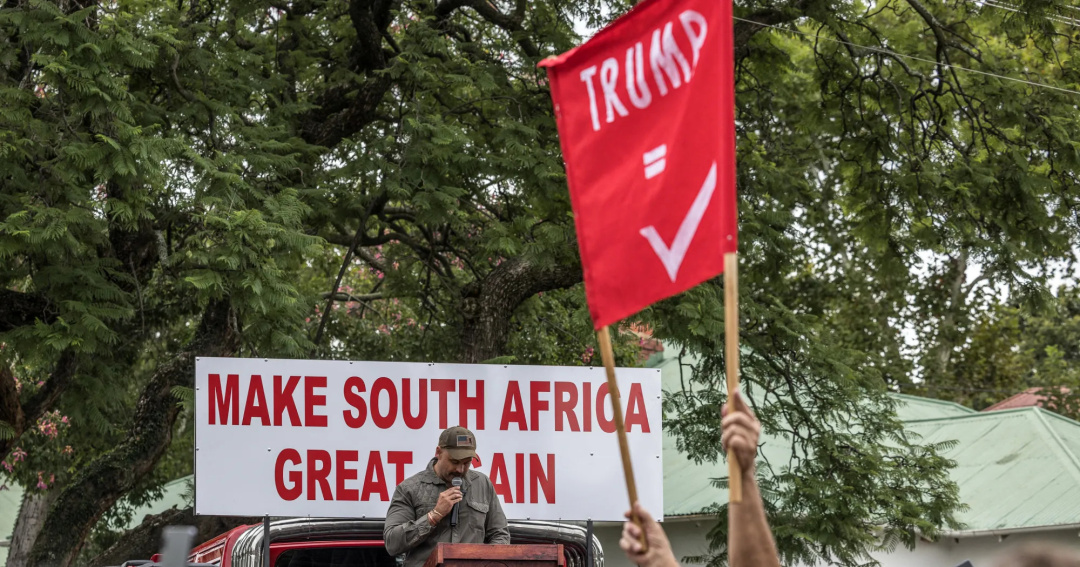
In a move that combines bureaucratic absurdity with a hint of historical irony, the Trump administration recently announced a $1 million grant to AfriForum, an advocacy group for Afrikaners in South Africa. This funding decision follows the administration’s earlier slashing of programs aimed at protecting human rights in countries facing severe crises. It seems the State Department believes that documenting the supposed plight of a relatively affluent white minority is more pressing than addressing pressing humanitarian issues.
The grant, described by former diplomats as offensive, signals a bizarre twist in the narrative of U.S. foreign policy, where the focus has shifted from supporting the vulnerable to bolstering the grievances of those who have been historically privileged. AfriForum insists that it aims to fight against a tide of discrimination faced by Afrikaners, despite independent research showing that the murder rates among this group represent a fraction of the violence experienced by South Africa's broader population, which is predominantly Black.
Still Beats Watergate:
Sponsor success. Continue reading:
The absurdity deepens as Samuel Samson, a deputy assistant secretary in the State Department, claims a "civilizational connection" between the U.S. and Afrikaners, a statement that raises eyebrows among historians and political analysts alike. Critics point out that this so-called connection is merely a figment of racialized imaginations, with no basis in historical fact or shared culture. Instead, it appears to be a convenient narrative meant to justify the funding of a group that cherry-picks statistics to promote a narrative of white victimhood.
This funding decision has not only sparked outrage among former U.S. officials, who recall a time when the State Department prioritized genuine human rights advocacy, but it also raises questions about the transparency of the funding process. Reports indicate that Congress has received little information about the criteria for this grant, with some lawmakers describing the lack of briefing as highly unusual. As the administration prioritizes the interests of a fringe group, the real humanitarian crises in countries like Sudan continue to languish without support.
The grant's approval comes amid a backdrop of political theatrics, where the Trump administration seems more interested in catering to domestic far-right narratives than in addressing real global issues. By directing taxpayer money towards a group like AfriForum, the administration not only legitimizes their claims but also aligns itself with a long history of racial politicization. It raises the question: should the U.S. be funding a narrative that reinforces historical oppression rather than one that fosters equality and justice?
Funding Fuels Controversial Advocacy Groups
Undoubtedly, this funding will further embolden organizations like AfriForum, which already enjoys a significant level of support within U.S. far-right circles. While the group claims to be advocating for self-governance and civil rights, its historical ties to apartheid-era policies and rhetoric cannot be ignored. This initiative appears less about human rights and more about financial endorsement of an ideology that has long been discredited.
As the administration continues down this path, it’s clear that the narrative around human rights is evolving—into something deeply troubling. Rather than a commitment to protecting those in need, we are witnessing a concerted effort to elevate the voices of the historically privileged, leaving those who truly suffer without a platform.
The implications of this funding extend beyond mere financial support; they represent a philosophical shift in how the U.S. engages with global human rights issues. By prioritizing the grievances of a wealthy minority over the systemic issues faced by the majority, the administration risks alienating those who genuinely rely on international support. The focus on Afrikaners’ rights could set a dangerous precedent where funding is allocated based on race rather than need, undermining the very principles of equality that the U.S. purports to champion.
Your takeaway
As resources are funneled towards this controversial group, one can only wonder how many actual humanitarian programs will continue to face cuts. While AfriForum may find itself flush with funds to document its narrative, the voices of millions suffering in silence will remain unheard—sacrificed at the altar of political expediency and racial politics.
This funding initiative isn’t just a misallocation of resources; it’s a stark reminder of how easily the agenda can be twisted to suit ideological whims. If this trend continues, the global outlook for human rights will become increasingly precarious, with the most vulnerable left to fend for themselves while the privileged are afforded a platform and financial backing.