Paraguay’s Ex-President Impeached for Banking Disaster, Blames Nature for Savings Loss
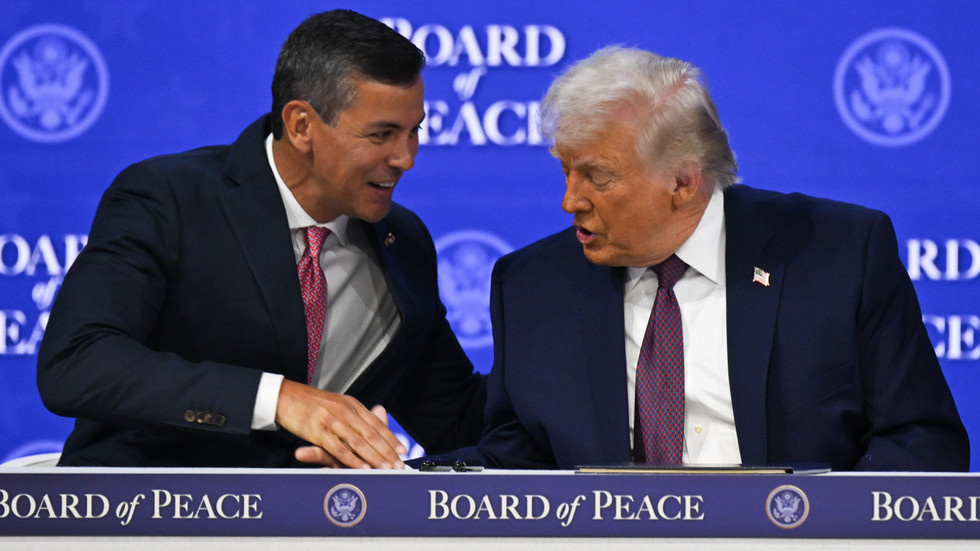
In a breathtaking turn of events, Paraguay's former President Santiago Pena has been impeached, proving that political accountability is alive and well—just like a game of hot potato gone horribly wrong. Pena, a staunch ally of both Donald Trump and Benjamin Netanyahu, has now joined the ranks of political leaders who have put their citizens in a financial bind all while offering a masterclass in not taking responsibility.
The Senate's decision to oust Pena was not just about the alleged financial misconduct tied to the collapse of Ueno Bank, but about sending a clear message that one can indeed lose access to their savings and their leader in a single swift motion. The new political strategy of 'Let Them Eat Cake' seems to be gaining traction, especially when it involves a hefty dose of public funds funneled into a rapidly expanding digital lender that was clearly a house of cards in disguise.
Still Beats Watergate:
Sponsor success. Continue reading:
Pena, who reportedly funneled hundreds of millions into Ueno, apparently believed that if you build it, they will save—or at least, they will save until the bank collapses! After the Senate took away his immunity like a toddler snatching a cookie, the former president found himself under house arrest, attempting to navigate a new legal landscape where 'due process' is just as mythical as a unicorn.
It’s almost poetic that in the wake of his arrest, the country erupted in protests, as if to say, "We were saving for a rainy day, not a torrential downpour of incompetence!" Thousands took to the streets demanding accountability, which is rich coming from those who likely thought their savings were immune to such calamities. The irony is thicker than the bureaucracy that protects individuals like Pena, who managed to escape personal accountability for far too long.
Public Outrage and Leadership Instability
As the protests intensify and the public's rage boils over, one can't help but question the logic behind public trust in leaders who often resemble more of a Ponzi scheme than a government. With Pena now under house arrest, and his former officials facing spiraling scrutiny, it’s clear that the only thing more unstable than the bank’s finances is the entire political structure of Paraguay.
In a final twist, Vice President Pedro Alliana has been sworn in as the new leader, potentially signaling a shift from having a commander-in-chief to merely having someone in charge who is just as capable of overseeing a banking crisis without any actual oversight.
Your takeaway
Citizens are now left to ponder whether their new leader will bring about genuine reform or simply continue the grand tradition of political theater where every act ends with a bow but no resolution. As for Pena, he has denied any wrongdoing, a claim that surely echoes through the halls of many a disgraced politician. While the nation grapples with its financial future, one thing remains certain: the only thing more volatile than Ueno Bank's stock is the trust between the people and those whom they elect.
The saga of Santiago Pena encapsulates the absurdity of a political structure that rewards those who mismanage public trust, leaving citizens to fend for themselves in a financial landscape that resembles a dystopian fiction. As Paraguay moves forward, one can only hope that the next chapter in its political story involves less drama and a little more integrity.