McConnell's New Memo: Emphasizing Polio as a Valuable Political Asset
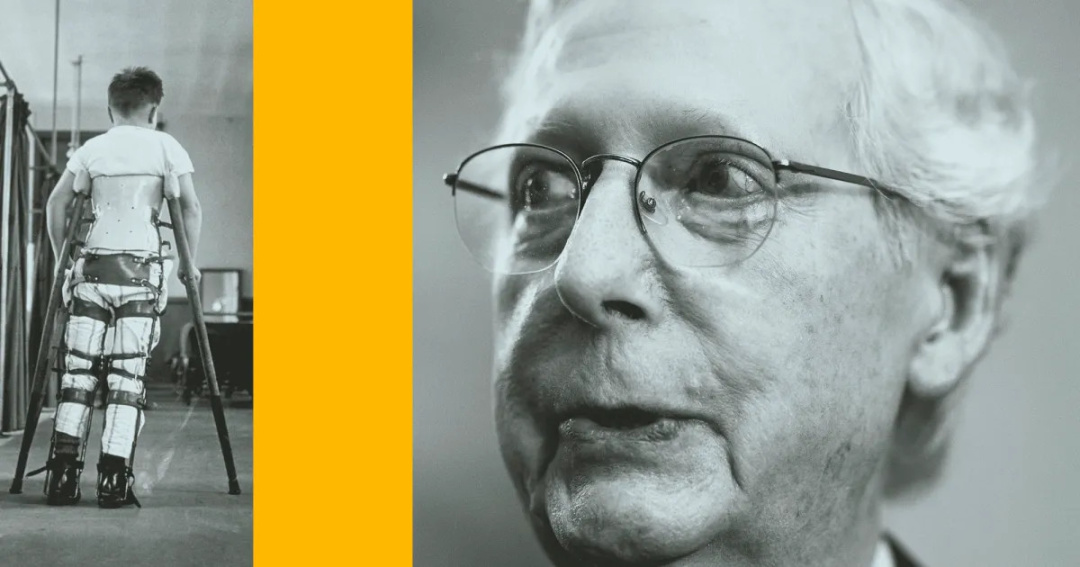
In a groundbreaking memo that has stunned both the political elite and the general public, Senator Mitch McConnell has declared his childhood battle with polio as a significant asset in his ongoing campaign against vaccine hesitancy. The newly coined "Polio Advantage" initiative aims to leverage McConnell's personal experience with the disease to rally support for vaccinations, despite the senator's long history of legislative ambivalence toward public health initiatives. In the memo, McConnell outlines how polio, which he candidly admits has left him with mobility challenges, has somehow equipped him with an unparalleled insight into the importance of vaccines—an insight that he is now eager to share with the world.
The memo reads like a self-help guide for politicians seeking to turn personal struggles into political capital, with McConnell offering sage advice on how to transform chronic illness into a talking point. Among the highlights are tips on how to frame one's ailments as badges of honor and how to use them to deflect criticism of past decisions—especially those that have contributed to the very public health crises he now seeks to combat.
Still Beats Watergate:
Sponsor success. Continue reading:
In a stunning twist, McConnell also proposes the establishment of a new bipartisan task force: the Vaccine Awareness Coalition of Historically Afflicted Senators (VAHASS). This coalition's mission is as clear as the senator's vision after a recent fall: to remind voters that every illness has its silver lining, especially when it comes to garnering sympathy votes. The task force is expected to feature guest speakers who, like McConnell, have turned their medical misfortunes into powerful political narratives, including a few who have openly questioned the efficacy of the very vaccines they now promote.
Critics, however, are already lining up to challenge the senator's newfound enthusiasm for public health. Some are worried that the VAHASS initiative may inadvertently glorify illness while downplaying the importance of consistent health policy. Meanwhile, others are left scratching their heads, wondering why McConnell, who has spent years voting against healthcare reforms, is now suddenly a champion for vaccination efforts.
As if to further muddy the waters, the memo concludes with an official statement from McConnell, stating, "I have seen firsthand the devastating effects of polio, and I will not allow anyone to forget that vaccines are both a miracle of science and a perfect photo-op. If we can politicize polio, we can politicize anything."
In light of this revelation, political analysts are left to ponder the viability of McConnell's strategy. Is this a genuine attempt to combat misinformation, or merely a clever ploy to distract from a long history of health-related policy failures? One thing is for certain: when it comes to making lemonade out of lemons—or polio out of politics—Senator McConnell is ready to serve up a full glass.