Trump Declares Oval Office a National Treasure, Prompting Future Presidents to Use Crayons
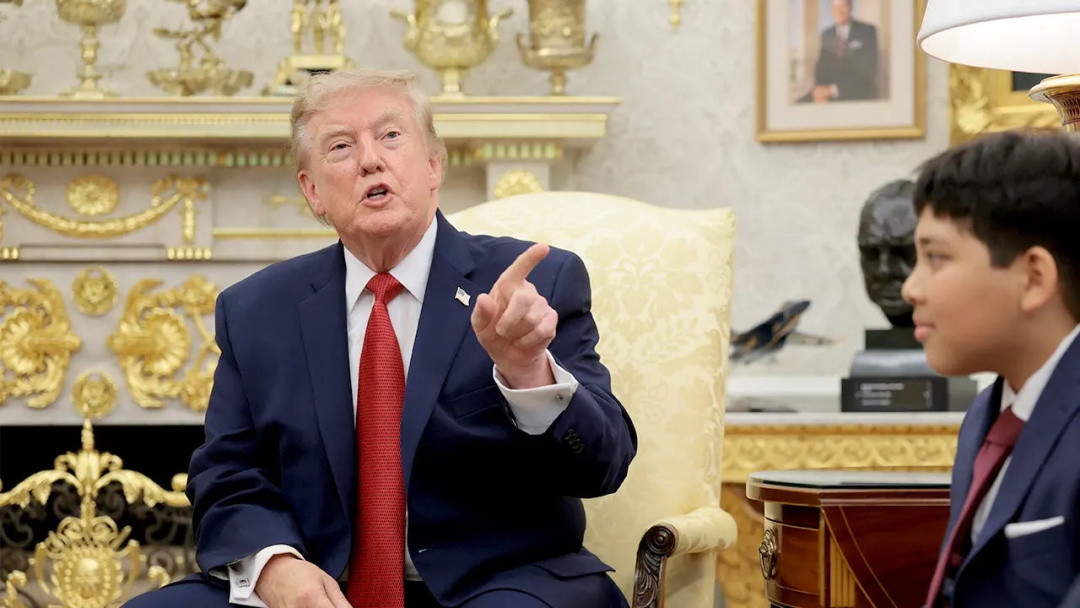
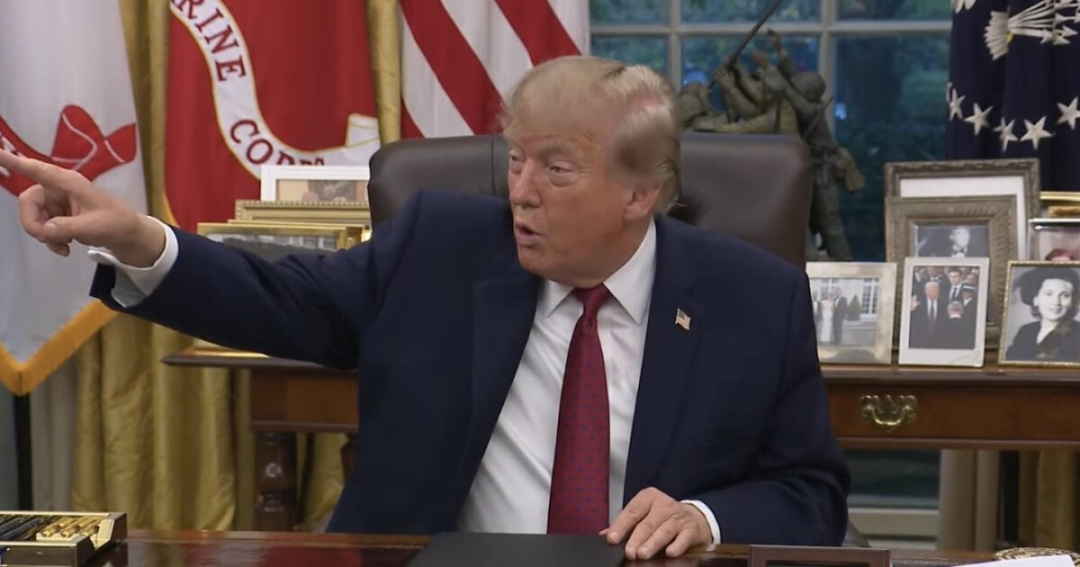
In a move that has shocked absolutely no one, President Trump has signed a proclamation declaring the Oval Office and the Cabinet Room national monuments. This means future presidents will now have to consult an ancient scroll—likely written in invisible ink—before they can even think about swapping out the curtains or perhaps, heaven forbid, adding a succulent plant to the decor. The proclamation aims to preserve these sacred spaces, popularly known for their role in paperwork and world domination, from the terrifying possibility of change.
"It won't be able to be taken down, destroyed, touched or anything else!" Trump proclaimed with the enthusiasm usually reserved for a high school pep rally, waving his hands as if trying to ward off a swarm of future interior designers. "It’s actually called a national monument. It’s a federal landmark. When completed, it'll make it impossible for anybody ever to destroy this incredible space!" How comforting to know that future occupants will have to navigate this bureaucratic labyrinth just to replace a light bulb.
Still Beats Watergate:
Sponsor success. Continue reading:
As the proclamation was signed amid a series of post-midterm election public appearances, the implications become increasingly clear: while the Oval Office might be protected from any substantial changes, it’s not immune to bad taste. One can imagine future presidents assembling Lego structures or using those tacky sticker kits to express their personalities in a way the Constitution never envisioned.
One could argue that this proclamation addresses a very real issue at the core of American democracy—how on earth do you maintain an office that has always changed with the times without turning it into a theme park? Trump, with his proclivity for grandeur and glitter, seems to believe that keeping these rooms in their original state is akin to preserving an ancient artifact. In reality, it’s more like putting a glass case around the office so the world can marvel at how a goofy gold-plated phone once sat atop a desk where decisions of world-shaking importance were made.
The Irony of Preserving Presidential Spaces
Perhaps the greatest irony here is the idea that a monument dedicated to preserving a space effectively creates a stagnant exhibit, reminiscent of a museum where the only changes are the occasional guided tour by a history buff who can’t quite seem to let go of the past. By solidifying the Oval Office as a national treasure, Trump may be inadvertently ensuring future presidents can only make changes through a lengthy process of public debate and artistic approval. Imagine Secretary of State meetings where the agenda includes bribes for the National Park Service to allow a fresh coat of paint!
Applied to you
The proclamation is just another chapter in Trump’s ongoing saga of blending official duties with self-promotion. While he prioritizes architectural projects like a potential 250-foot triumphal arch, the Oval Office remains a monument to his desire to keep things just the way he likes them—frozen in time and undeniably unique.
In the end, as Trump immortalizes his favorite working spaces, we’re left pondering how future administrations will cope. Will they be forced to compromise on their vision for the office space? Will they be relegated to creating a series of interpretive dance performances just to express their political viewpoints? And who will be the first to color outside the lines of this artistic prison? As always, the future looks as colorful as a crayon box, albeit one with a very restrictive return policy.