Trump Declares Oval Office a National Monument to Shield It from Stupid Ideas
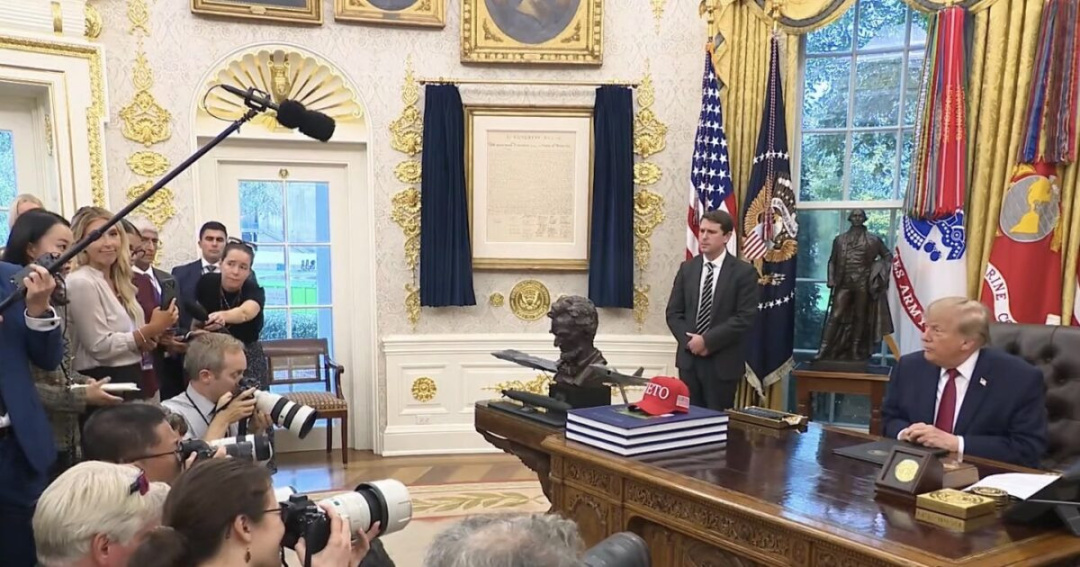
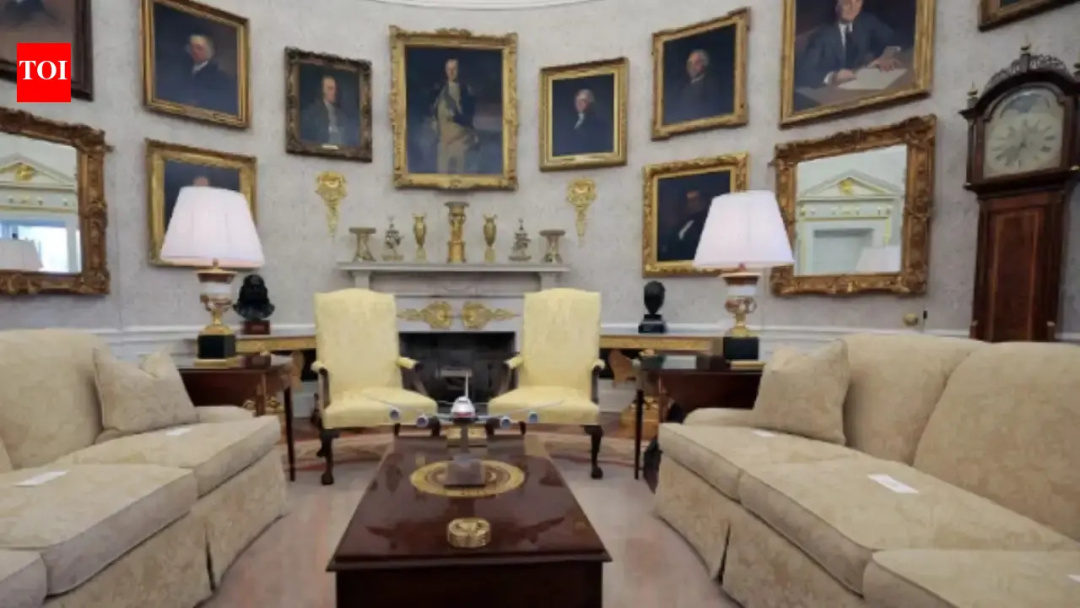
In a truly monumental moment for American politics, President Trump has signed a proclamation that would make the Oval Office and the Cabinet Room national treasures (or perhaps national headaches, depending on your perspective). This executive order, invoking the Antiquities Act, aims to lock down the White House's most iconic spaces, ensuring they remain untouched by the likes of 'stupid people' who might dare to propose even the slightest modifications—a noble cause for those who believe that aesthetic revolutions should be firmly rooted in the past.
In a speech that could only be described as an artistic marvel in its own right, Trump proclaimed, "We’re making it a national monument, and it will not be allowed to be touched by anybody, destroyed, ripped down by stupid people," effectively casting a wide net over anyone who might view his dazzling gold fixtures as a tad over the top. Clearly, the only approved upgrades will henceforth be those which involve gilding the lily—quite literally!
Still Beats Watergate:
Sponsor success. Continue reading:
As the proclamation set off waves of concern from critics—chiefly former President Obama, who quipped that the Oval Office was starting to resemble a Cheesecake Factory—Trump defended his ornate vision by suggesting that his renovations are a matter of national pride. After all, who wouldn't want their Oval Office to resemble an upscale dessert shop draped in 24-karat gold? In Trump's world, historic preservation translates to decorating at the expense of taste.
And what about the seemingly innocent suggestion of a square office? Trump telegraphed his intentions loud and clear, insisting that any radical design alterations would require congressional approval—an impressive feat of bureaucracy that ensures future generations will not be subjected to the horror of a geometric reshaping. "It won’t be able to be taken down, destroyed, touched, or anything else," he assured reporters, as if he were announcing a new line of luxury handbags instead of a constitutional safeguard.
The Absurdity of Legislative Design Debates
Perhaps the best part of this entire saga is the implication that the Oval Office’s significance is somehow tied to its shape. The notion that Congress would be tasked with deciding whether to keep the beloved oval or to embrace a more modern, angular design brings a new level of absurdity to the idea of legislative responsibility. Imagine the debates! "Do we keep the integrity of the Oval Office, or do we pivot to a more rectangular approach?" The answer, of course, lies in the sacred bond of tradition over innovation—especially when tradition is dripping in gold.
This proclamation serves not just as a protective measure but as a new chapter in the ongoing narrative of power, preservation, and a healthy dash of pomposity. While Trump may be busy preserving the past, one has to wonder what future occupants of the White House might think when staring at the walls adorned with bling that would make a Kardashian blush. It’s a flicker of hope for some, a beacon of absurdity for others, but ultimately, it stands as a reminder that in the world of politics, the only thing more absurd than the proclamation itself is the fervent dedication to keeping it just the way it is.
A Shield Against Change
As we move forward into this gilded era of political preservation, one has to appreciate the irony of locking down a space that has long been a symbol of change and progress in American history. The Oval Office—once a venue for monumental decisions—now stands as a testament to a president's desire for control over aesthetics, preserving not just a room but also a vision of governance that prioritizes gold plating over leadership.
The Oval Office will now forever be a monument not just to the presidency, but to the sheer audacity of declaring that a room is too precious to evolve. So the next time you walk past the White House, think of it not just as a seat of power but as a glittering museum exhibit, locked in its time capsule of opulence, awaiting future generations who will no doubt debate the merits of gold versus decorum.