Lawsuit Claims 'The Pitt' is Just 'ER' with a Different Waiting Room
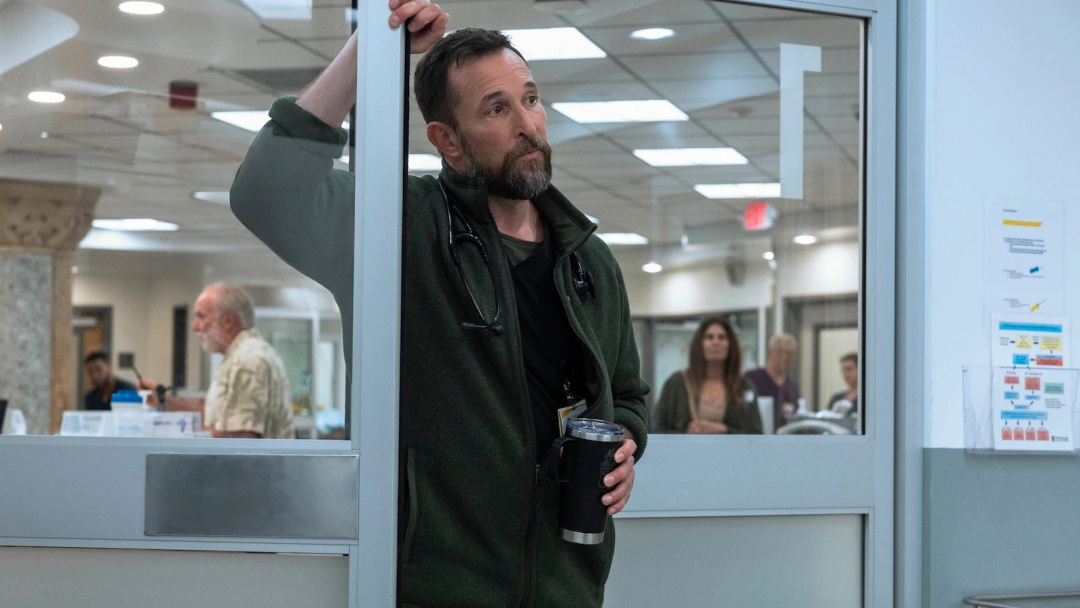
In a move that proves legal creativity knows no bounds, a California appeals court has ruled that the lawsuit filed by the widow of 'ER' creator Michael Crichton can proceed, alleging that 'The Pitt' is little more than 'ER' in a new jacket. Apparently, if you put enough medical jargon in a blender, the results can pass for originality in the court of law.
An esteemed three-judge panel recently agreed that the two shows share enough similarities worthy of further investigation, which begs the question: should we just slap a new name on every medical show and call it ‘innovative’? So much for originality in Hollywood—perhaps the real crime is not just the alleged copycatting but the very notion that people will notice the bland plot twists presented with a different set of scrubs.
Still Beats Watergate:
Sponsor success. Continue reading:
The comparisons between these two series are striking, according to the court, as they both feature frantic emergency room scenarios and dialogue that some might describe as 'fast-paced'—or, to the layperson, 'utterly incomprehensible'. Yet, the defendants argue that any drama with overworked doctors is bound to hit the same notes, leading one to wonder if the next medical show will need a disclaimer about not asking for a trip to the ER after watching.
The judges did take their scissors to the defendant list, cutting out a few familiar names like Noah Wyle, who, much like a good doctor, has been deemed innocent of any wrongdoing in this alleged reboot saga. It seems even the legal system recognizes that sometimes, you just can’t blame the actor for the script he’s handed. Meanwhile, John Wells, another notable name, was cleared as well, presumably because he was too busy balancing his own scriptwriting career to know what was in Crichton’s contract.
At the heart of this legal drama lies a piece of Crichton’s legacy: a so-called 'frozen rights' clause that prevents Warner Bros. from churning out sequels or adaptations without his express permission. One might wonder if this is a key plot device worthy of its own episode, rivaling any cliffhanger found on either show. The widow alleges that after failing to come to an agreement over a proposed 'ER' reboot, the studio simply decided to go ahead and create 'The Pitt', an unauthorized sequel masquerading as a fresh series.
The Legal Battle Over Creative Ownership
As the lawsuit unfolds, it’s unclear whether the court will ultimately champion artistic originality or simply conclude that all medical dramas must exist on a spectrum of overwhelming similarity. Perhaps the real twist in this legal tale is that, in the end, both shows could be equally guilty of serving the same tired plotlines under new branding. Whichever way it plays out, one thing is certain: viewers might need to keep their remote close at hand to navigate these overlapping universes of chaos.
As the case proceeds, it prompts a broader conversation about what constitutes originality in Hollywood. Are the days of unique stories behind us, with everything simply being a remix of prior hits? If 'The Pitt' truly is nothing more than a rehashed 'ER', perhaps we should begin trademarking genres instead of titles. After all, if the healthcare system can be this creatively reimagined, one can only imagine how other genres will fare in this legal landscape.
Applied to you
In a world where streaming services are rampant, and content is king, the fight over originality takes center stage. If nothing else, this lawsuit exemplifies the peculiar nature of intellectual property disputes that seem to unfold with all the drama of a season finale. With the stakes high and the audience eagerly awaiting the next development, it’s a real-life episode that could rival anything scripted for the small screen.
In the end, as the court deliberates, let’s hope they remember the most valuable lesson of all: lawyers might not save lives, but they sure know how to make a good show out of a bad script.