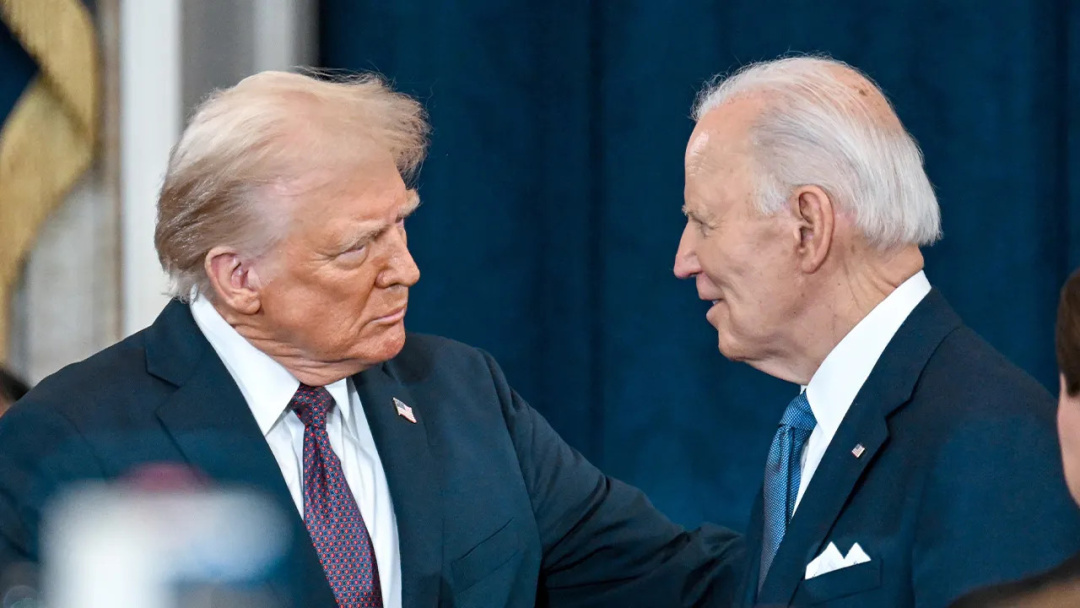
Trump's Midterm Strategy: Vote for Me by Imagining I’m Not a Disaster!
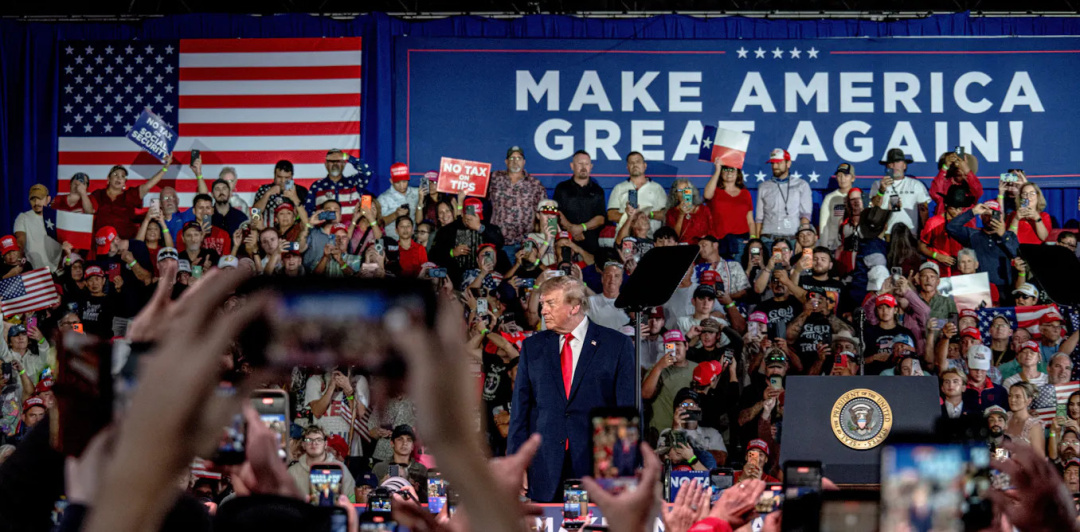
In a bold reimagining of political strategy, President Trump has been urging voters to picture him on the upcoming midterm ballot as he tours the country. This tactic, however, seems more like a magician's illusion than a viable campaign plan, as he insists voters ignore the last two years of reality.
With Trump mentioning Joe Biden a staggering 900 times in just nine months, it seems the former president has mastered the fine art of displacement—transferring the blame for current inflation rates and economic woes onto a man who has been out of office for almost two years. Voters are now officially instructed to take a mental leap, imagining Trump reigniting his previous glory while simply disregarding any mention of his actual policies that might have led to today’s dismal economic headlines.
Still Beats Watergate:
Sponsor success. Continue reading:
At rallies, Trump’s speeches are less about current GOP candidates and more about resurrecting his own past campaign slogans. "Imagine I’m on the ballot!" he chants, almost like a child playing pretend, while Republican candidates shift uncomfortably in their seats, wishing he would focus on the actual issues at hand rather than his mercurial concepts of leadership.
This all comes in the wake of polls showing that voters have decidedly linked rising prices and economic distress to Trump’s second-term policies. Yet, instead of reflecting on this uncomfortable truth, Trump seems to believe that the key to political success lies in a collective act of imagination. After all, why face accountability when you can simply tell your supporters to pretend that accountability doesn’t exist?
Amidst a sea of economic concerns, where even gas prices are seen as a direct result of his previous decisions, Trump’s strategy could serve as a masterclass in political theater. As he continues to frame the election as a referendum on Biden rather than his own presidency, one wonders whether the voters will finally see through the smoke and mirrors. Or perhaps they’ll happily don their imaginary voting glasses and comply with the conjured fantasy of a Trump triumph.
The Cost of Political Memory
With inflation rates soaring and economic anxiety permeating every household, Trump’s insistence on redirecting blame to Biden appears more like a desperate ploy than a cohesive strategy. While he claims to be catering to his base, he risks alienating swing voters who might be grappling with the reality of their own financial struggles.
The irony is rich: Trump’s narrative about Biden being out of touch with the American public now echoes back at him as he asks voters to ignore his record, suggesting that nostalgia for his presidency is the best course of action. Yet, as polls illustrate a growing disenchantment with his administration, the reality is that the electorate may be less inclined to indulge in this imaginative exercise than Trump anticipates.
Ultimately, the midterms are shaping up to be a referendum not just on Biden, but on the very notion of political accountability. If voters are forced to consider the implications of Trump’s tenure while imagining him back in office, it’s likely they’ll opt for a different kind of change—one that embraces reality over whimsical fantasy.
A Vote Against the Past
As elections loom large, the question remains whether Trump's nostalgic campaign strategy will resonate or backfire. While he might envision himself as the perennial candidate, voters seem tired of imagination games, preferring to cast their votes based on actual performance. This election, it appears, will not just be a test of Trump's popularity but a judgment on his legacy—one that he might not be prepared to confront.