Trump's Election Concessions: A Royal Decree or Just Good Manners?
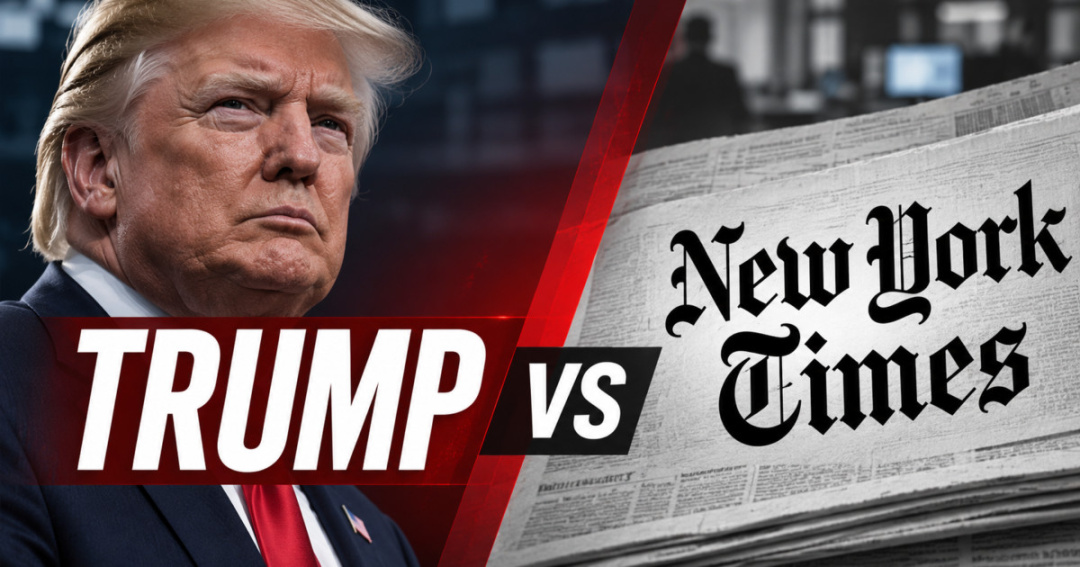
For years, the media has branded President Trump as a would-be monarch, an assertion that somehow became the go-to narrative whenever he faced an election setback. But in a dazzling display of unexpected humility, Trump recently declared himself "absolutely willing" to accept defeat following the contentious blue-wave election, promising to work with the opposition. This proclamation, sweet enough to potentially melt the hearts of even the most hardened political observers, raises an eyebrow—could it be genuine? Or is it merely an elaborate ploy, a royal performance art piece on the stage of American democracy?
The New York Times, whose ink has long been used to paint Trump as a tyrant bent on subverting democracy, found itself on the receiving end of a surprise. After weeks of framing him as the villainous king refusing to cede power, they now report his intentions to collaborate with Democrats. A delightful plot twist indeed! But the question remains: What exactly does cooperation look like when your previous interactions have been more like royal decrees than democratic discourse?
Still Beats Watergate:
Sponsor success. Continue reading:
Let’s not forget that this isn't the first time the press has tried to convince the public that Trump is a one-man show keeping the stage to himself. Just last month, a journalist on a podcast shared her fears of Trump undermining election results—a sentiment that seemed to ignore the mountainous pile of claims from various Democrats about the integrity of their own elections. If anything, it seems like the real panic lies in the juxtaposition; it’s as if the media wants Trump to be the overlord they’ve depicted him as, rather than the autumnal leaf blowing in the wind, ready to accept defeat when advised.
The irony is palpable. While claiming to uphold the sanctity of democracy, some pundits and politicians appear to relish spinning narratives that at once elevate their opponents to authoritarian heights and diminish their own accountability. After all, if Trump can concede gracefully, what does that say about the myriad of Democrats who have hinted that elections are only legitimate if they win? Each time they express the belief that a loss equates to a rigged system, they inadvertently make a case for Trump’s alleged tyranny.
Media Narratives in Political Adaptability
As we navigate these turbulent political waters, it's fascinating to witness how the media's portrayal can fluctuate from one extreme to another. The New York Times, a bastion of journalistic integrity, once again finds itself questioning its own narrative. In the end, Trump's willingness to cooperate might not be the shocking revelation we're led to believe, but a reflection of a political landscape that demands adaptability over obstinance.
The Myth of the Tyrant
In this theater of political absurdity, the concept of Trump as a king is laughable at best. His previous concessions—though often overlooked—underscore a willingness to play the political game, albeit on his terms. Perhaps it’s time to retire the "king" moniker and accept that Trump is merely an elected official with an undeniably unique approach to governance.
The media's fixation on depicting him as ruling with an iron fist ignores the reality of an individual who has, at least this time, chosen to dance with his opponents rather than stage a coup. So, as we dissect the aftermath of this latest election and Trump’s so-called royal decree of cooperation, let’s remember: in politics, the only thing that truly reigns supreme is the narrative, and the narratives are often as fickle as the wind.