Israel's President Declares Coalition Talks, Promises to Not Steal the Election This Time
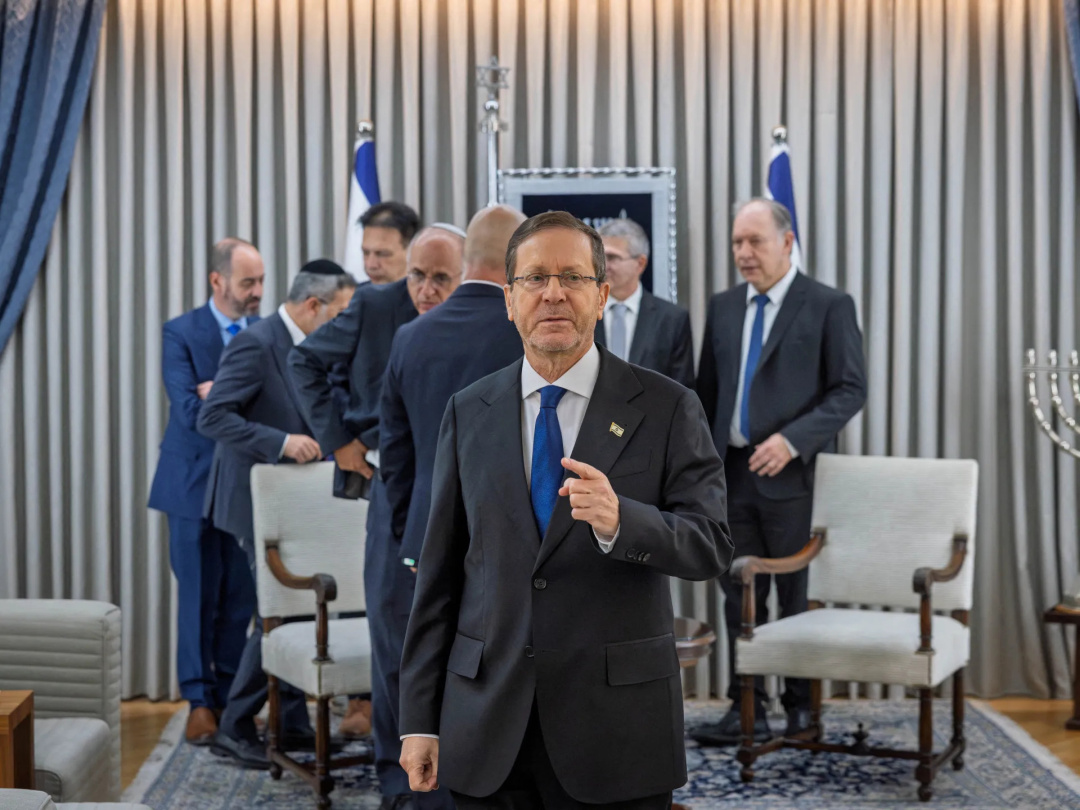
In a classic display of democratic tradition, Israel’s President Isaac Herzog has bravely accepted the certified results of last week’s elections, beginning talks to form a government. This bold move came as a surprise to no one, especially considering Prime Minister Benjamin Netanyahu’s recent attempts to discredit the outcome—despite losing his majority. Herzog, evidently unfazed by the political turmoil, declared, "The elections are over. Now is the time to face reality," which is a relief since facing reality has been out of vogue in political circles.
The October 27 vote left neither Netanyahu’s coalition nor Gadi Eisenkot’s bloc with the 61 seats needed to govern. Amidst the confusion, Herzog is consulting with party leaders, presumably while trying to find a suitable scapegoat for the electoral fallout. Netanyahu's coalition managed to secure only 53 seats, while Eisenkot's group garnered a paltry 48. In a remarkable display of camaraderie, Herzog is exploring alliances, even with the Arab-led parties, who seem to be enjoying their newfound political power.
Still Beats Watergate:
Sponsor success. Continue reading:
As Herzog navigates this political maze, the prospect of an alliance between Eisenkot and the Arab parties, Ra’am and the Joint List, is tantalizingly close. With both parties holding a record 19 seats, voters must be thrilled that their voices are finally being heard—specifically when they were previously thought to be mere background noise.
One can only imagine the discussions taking place within Netanyahu’s camp as they scramble for support. With some factions recommending their leader, while others turn their backs, it’s almost as if they’re auditioning for a reality show titled, "Survivor: Israeli Politics Edition." The latest twist? The ultra-Orthodox faction's refusal to endorse either candidate due to a disagreement over military service exemptions—because nothing screams democracy quite like drafting a legal loophole for religious exceptions.
The Weight of Coalition Decisions Ahead
As Herzog wraps up his consultations, he’s expected to choose a candidate to lead the next coalition. This decision is no small feat, as it seems to carry the weight of a nation’s political aspirations—and perhaps a few spare prayers for stability. If neither candidate can form a government, Israel may find itself back at the polls early next year, leading many to wonder if they’d prefer a reality check or just a redo of last week’s electoral circus.
In the meantime, Netanyahu and his supporters have continued to peddle claims that the elections were compromised, alleging that Arab parties somehow engaged in voter fraud, with whispers of foreign interference. Such assumptions may leave many wondering if they’re living in a political thriller or just another day in the office. In response, Herzog has urged for creativity and goodwill, suggesting that if all else fails, they could always just hold hands and sing Kumbaya to resolve their differences.
Applied to you
With Herzog’s insistence on not smearing Palestinian-Israeli voters and a condemnation of the increasingly coarse rhetoric coming from the political arena, one might think a level of maturity could be achieved. But let’s not hold our breath. After all, it’s not every day a president asks for originality in compromise while navigating the shark-infested waters of coalition politics.
In a final call to action, Herzog’s parting words leave us with a glimmer of hope that perhaps, just perhaps, the State of Israel can emerge victorious—if only they can figure out who to blame for their collective amnesia about electoral results.















