DOGE's Legacy: When Government Efficiency Collapses into Obscurity
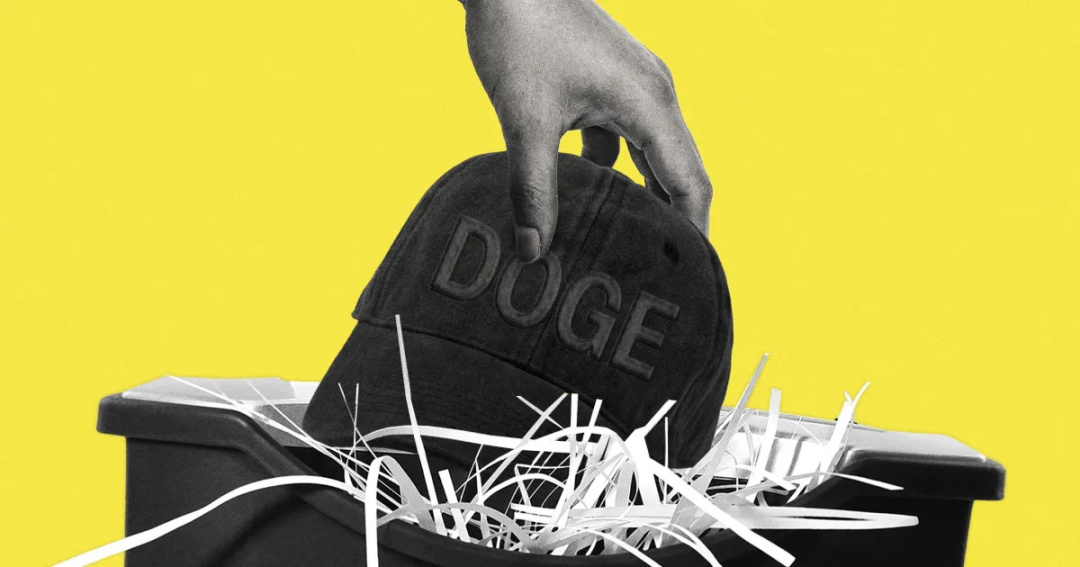
In a stunning display of bureaucratic sleight of hand, the Department of Government Efficiency—an agency that promised to revolutionize federal oversight—has officially closed its doors, leaving behind a digital graveyard of unaccounted actions. The administration, which vigorously touted its commitment to transparency, now seems more interested in ensuring that the DOGE records never see the light of day. Apparently, the only thing more elusive than government efficiency is the truth behind it.
It's almost comedic how the administration has managed to outsource its operations to a consortium of billionaires who may or may not have been recruited from a local yacht club. Under the pretense of advising the president, DOGE's advisors—essentially, a rogue gallery of the ultra-wealthy—have been granted carte blanche over essential government functions. The irony here is as thick as the red tape they’ve cut: a government that fails to govern efficiently is now being run like a private enterprise, sans any semblance of oversight.
Still Beats Watergate:
Sponsor success. Continue reading:
The Department’s dissolution is not merely a matter of closing an agency; it sets a precedent that could see the emergence of shadow agencies sprouting like weeds in a neglected garden. If DOGE's playbook becomes the blueprint for future governance, taxpayers may soon find themselves locked out of critical decisions made in the back rooms of oligarchic lounges, sipping cocktails while discussing the merits of privatizing public services. Transparency, it seems, is best left to the imagination.
As if this were a poorly scripted political thriller, whistleblowers have emerged as the unlikely heroes, leaking information about DOGE’s secretive operations. The administration quickly countered with a narrative so convoluted it could rival a soap opera plot twist: DOGE isn’t an agency subject to Freedom of Information Act requests because it merely advises the president, thus dodging the pesky scrutiny that comes with real authority. This sleight of hand is as transparent as a brick wall, yet it has somehow passed as legal reasoning in this new era of governance.
The Presidential Records Act, the supposed guardian of transparency, now stands on shaky ground. Thanks to an interpretation that would make even the most ambitious law school professor cringe, records related to DOGE are now treated as personal property of the president, effectively giving him the green light to destroy or delete any inconvenient files. It’s a masterclass in accountability avoidance—turning the sacred vault of public records into a dumpster behind the White House.
As if in a tragic comedy, the administration has made it clear that it will fight tooth and nail against any legal attempts to force compliance with the records law. Lawsuits are flying, with various watchdog organizations challenging the absurd notion that an agency which wielded significant power can simply sidestep accountability. The courts may yet decide, but the damage to the public’s trust is already done, and it’s hard to see how we can recover from this new normal.
In the end, the dissolution of the Department of Government Efficiency serves as a cautionary tale about the fragility of democratic institutions. When government is run like a private club, where decisions are made behind closed doors and records are treated as personal trophies, the future looks bleak. As we watch the dissolution of transparency unfold, one can only wonder: is this what we signed up for when we elected a government that promised to be different? The answer may be buried somewhere in the ashes of DOGE, and good luck getting to it through the legal labyrinth they've created.