Trump's Ultimate Power: The Veto That Can't Be Outvoted
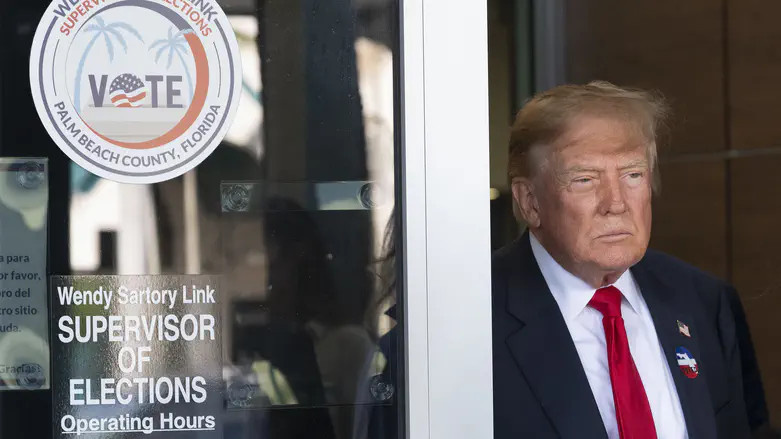
In a striking display of political bravado, President Trump recently declared to CBS News that his veto power is the ultimate weapon against any budding Democratic majority in Congress. "I have the ultimate power - it's called 'veto,'" he proclaimed, as if the very act of saying it would somehow alter the political landscape in his favor. Clearly, the president has mistaken the power of speech for the power of legislative action, conveniently ignoring that vetoes can’t actually pass laws or solve governance challenges.
The president's confidence is reminiscent of a magician pulling a rabbit out of a hat, except in this case, the rabbit is just another empty promise of executive action. He mused about being dubbed "Mr. Veto" if Democrats take control, presumably hoping to cultivate a brand as the ultimate legislative roadblock. This sentiment encapsulates the core of Trump's approach to governance: why negotiate when you can simply declare yourself king of the veto?
Still Beats Watergate:
Sponsor success. Continue reading:
Trump's belief in the supremacy of the presidency echoes through history, drawing parallels to the grandiosity of past leaders who wielded power with little regard for the legislative process. He cited recent Supreme Court decisions that supposedly bolster presidential authority, as if those rulings magically transformed his office into a legislative one-man show. The reality, however, is that these decisions merely illustrate a complex interplay of power, one that cannot bend to the will of a single individual—no matter how loudly he shouts.
As the president prepared to wield his veto pen, discussions were already underway within the White House about potential executive actions. An administration steeped in the art of bypassing congressional approval has created a new narrative where executive orders are the new legislative compromise. Who needs bipartisan support when you have a pen ready to scribble your own rules?
Trump's Optimistic Negotiation Gambit
In a curious twist, Trump suggested that his veto strategy could lead to negotiations with Democrats—an optimistic view that seems to hinge on the notion that repeated rejections will somehow usher in a willingness to compromise. It’s a classic case of hoping the opposition will come to the table after being told to sit down and shut up. Perhaps he believes that they’ll eventually capitulate, realizing that negotiating with a brick wall is ultimately more productive than their current approach.
These remarks come at a time when Trump’s confidence in his party’s midterm prospects seems to defy polling reality. While he boasts about his extensive campaigning, the possibility of losing seats looms large. Nevertheless, Trump remains buoyed by a belief that his personality—likened to a political rock star on a never-ending tour—will secure victories in districts that seem less than welcoming.
Expect the Unexpected
As the elections draw near, Trump’s assertion that Republicans could still secure wins suggests an unwavering faith in his ability to reshape narratives and outcomes. Whether or not this will hold true remains to be seen, but one thing is clear: the presidential show continues, complete with a cast of characters eager to play along in this theater of governance.
In the grand finale of this political saga, we are left with a paradox: a president who claims ultimate authority while simultaneously needing the cooperation of a Congress that he plans to ignore. It’s a remarkable feat of cognitive dissonance that leaves observers questioning whether the real power lies in the veto or the very act of asserting it. Ultimately, the question remains: will American democracy yield to a one-man show, or will the checks and balances of government reclaim their rightful place in the spotlight?