US-Iran Conflict: A New Game of Diplomatic Twister
In a shocking announcement, the White House has decided to reclassify its ongoing military engagements with Iran as a "creative exercise in international relations." The situation, which has escalated to a point where air raid sirens are practically the new ringtone in the Gulf, is being spun as a necessary step toward redefining what constitutes a "war." After all, who needs Congress when you’ve got an executive pen and a flair for theatrics?
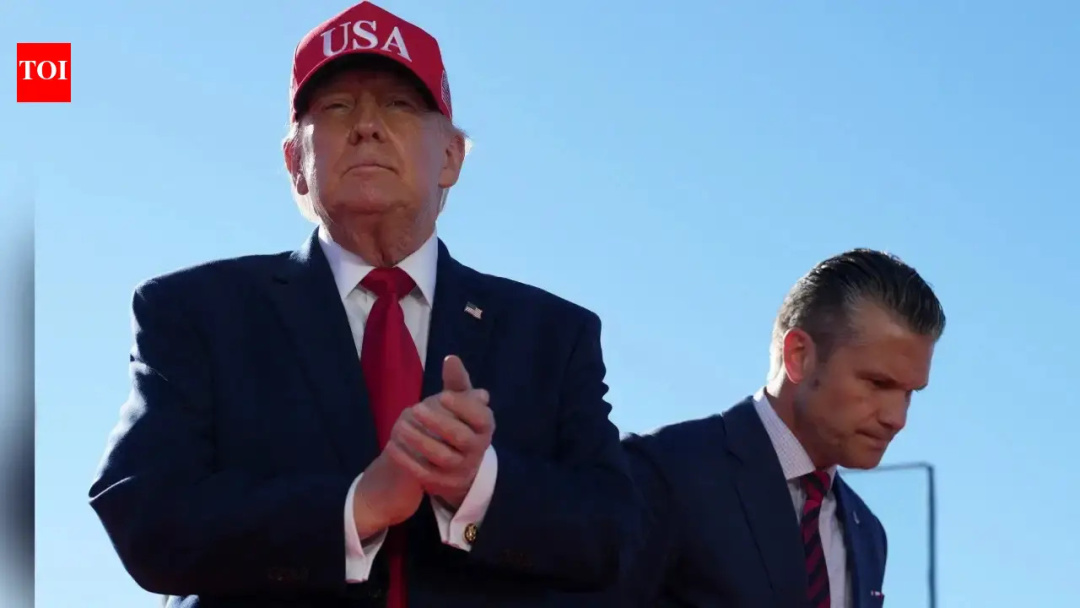
President Trump, in an unprecedented move, has declared that the ceasefire is "technically over" but assured the American people that the conflict is merely a high-stakes game of chess. In an exclusive briefing, White House Press Secretary Marco Rubio reassured reporters that strategic discussions would continue, even while the Pentagon is busy launching strikes that could make a toddler’s tantrum look like a calm negotiation.
Still Beats Watergate:
Sponsor success. Continue reading:
Meanwhile, on Capitol Hill, lawmakers are reportedly playing a game of dodgeball, with many ducking for cover at the thought of having to vote on an actual war authorization. The War Powers Act, which conveniently mandates a congressional review after 60 days, is being treated like an old-school VHS tape—nobody wants to deal with it, and good luck finding a player. Trump has cleverly sidestepped this obstacle by claiming that the war effectively ended when the ceasefire began, which he insists was really just a rehearsal for the main event.
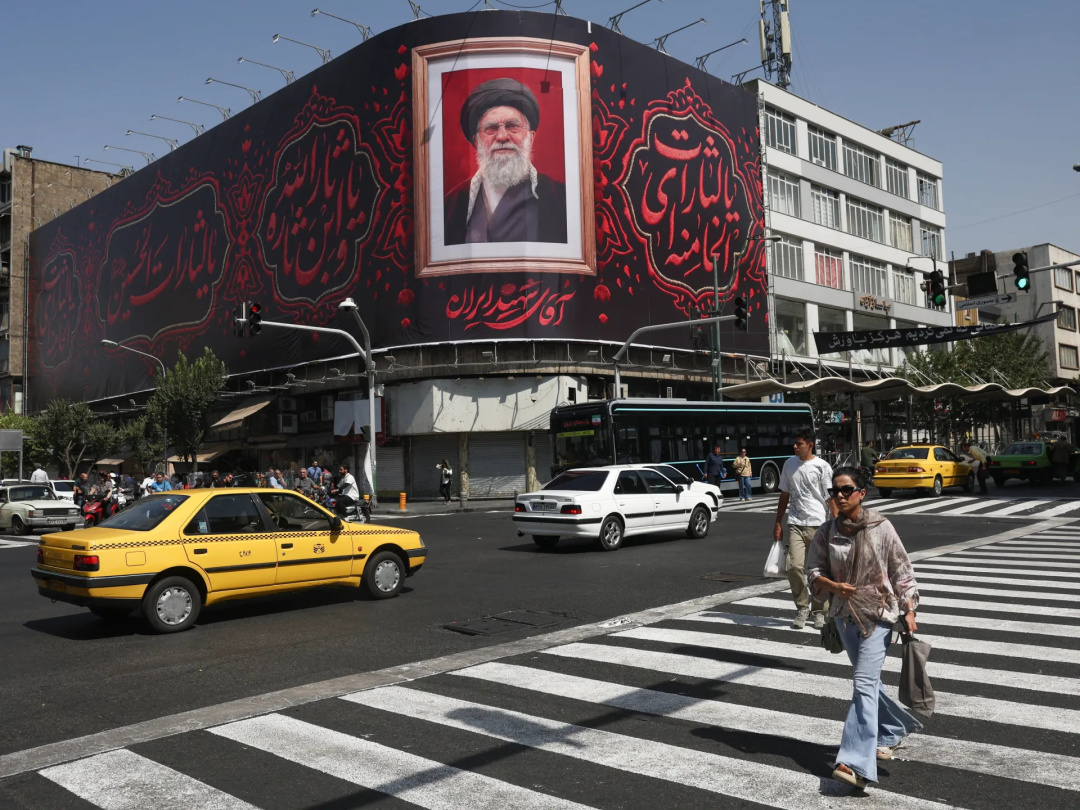
The Iranian leadership, not to be outdone, has countered with their own announcement, declaring their "will for revenge" while simultaneously insisting they’re open to diplomatic talks. It’s hard to tell if we’re in a geopolitical standoff or a particularly tense episode of a reality show where everyone is vying for screen time. With both sides engaging in attacks that seem more like social media feuds than serious military operations, the international community is left wondering if they should send in a mediator or a therapist.
In this bizarre new phase, the US and Iran appear to be focused on avoiding civilian targets, as if they’ve decided that collateral damage is so last season. Instead, they’re opting for military bases and shipping routes, which, coincidentally, is a much less complicated way to keep the world guessing about the next big move. As Iranian missiles rain down on military installations like confetti at a parade, one has to wonder if this is really a serious conflict or just a prolonged episode of military karaoke.
While analysts are busy trying to decipher the latest round of attacks, the real mystery remains: How do you maintain a semblance of diplomacy while actively engaging in warfare? Iran’s objectives appear to have grown exponentially, while the US is left grasping for a narrative that doesn’t involve regime change. If this keeps up, the next round of talks may well be conducted over a game of Jenga.
As the situation develops, one can only hope that the diplomats involved have brought their best strategies to the table, because it seems like all bets are off in this high-stakes game of international poker. Will Congress finally step in, or will we all be left watching the show unfold, popcorn in hand, as the world spins into chaos? Only time will tell, but for now, the only thing certain is that this administration is committed to redefining the art of war—one tweet at a time.